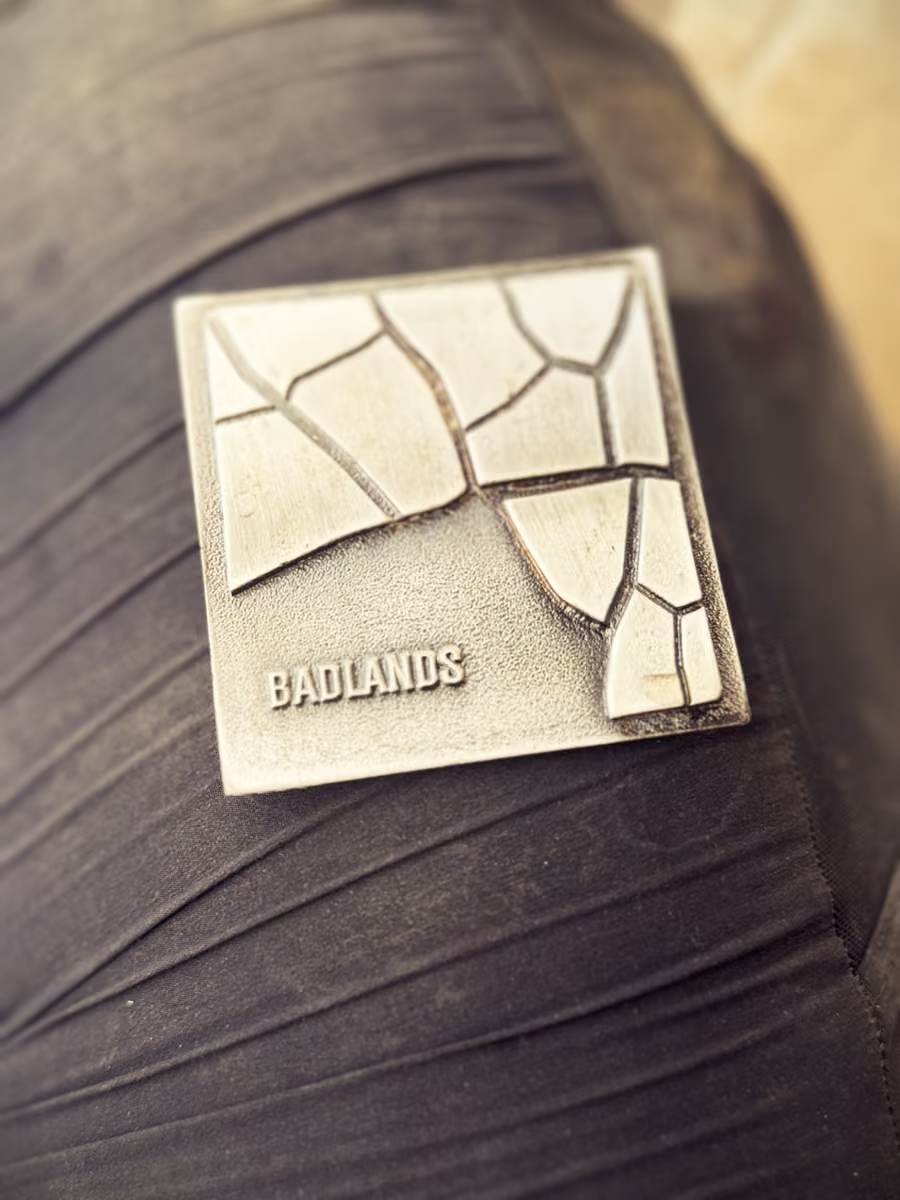
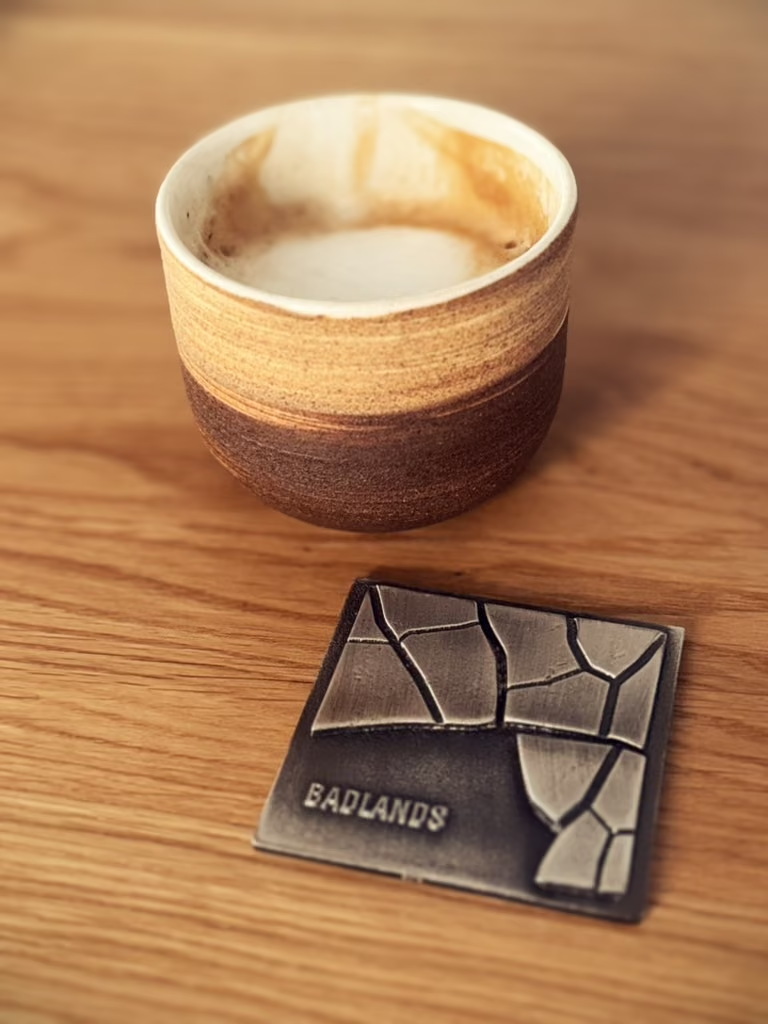
Badlands 2026: Four days and four hours
At eight on Sunday morning, I was in the square in Granada, waiting for Badlands to start. I had a place the year before but could not take it. This time I was healthy, the bike was finally ready, and I had trained as well as the past year had allowed. Just being at the start felt like a small victory.
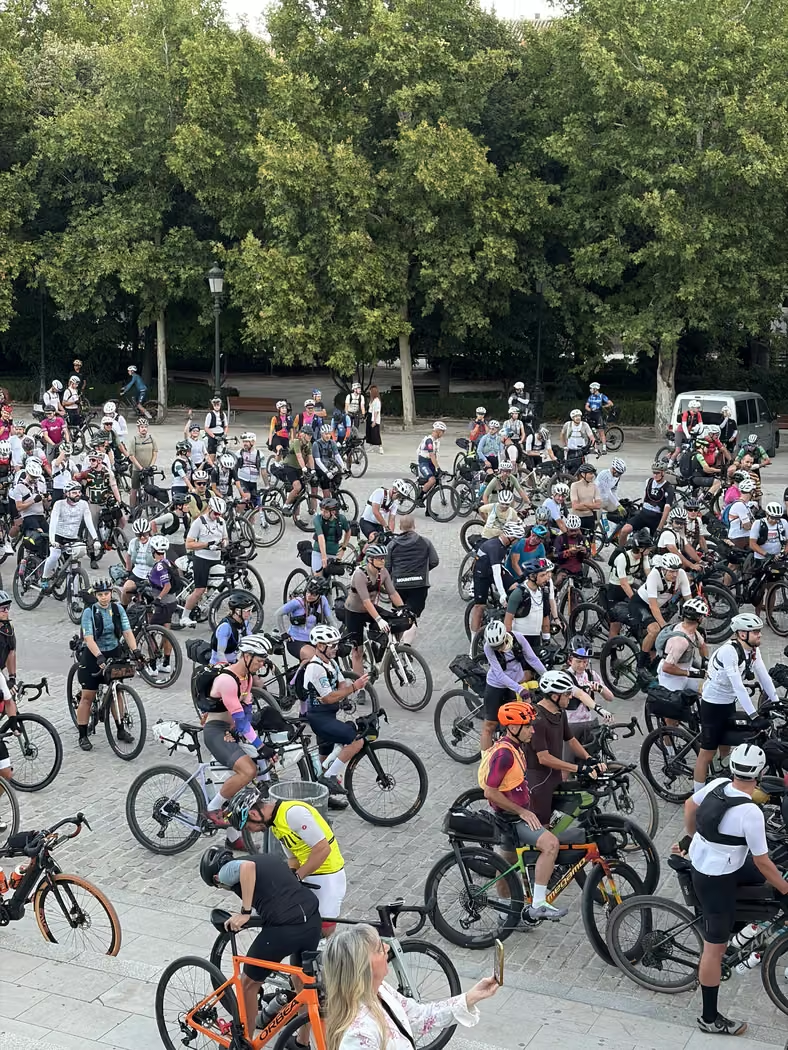
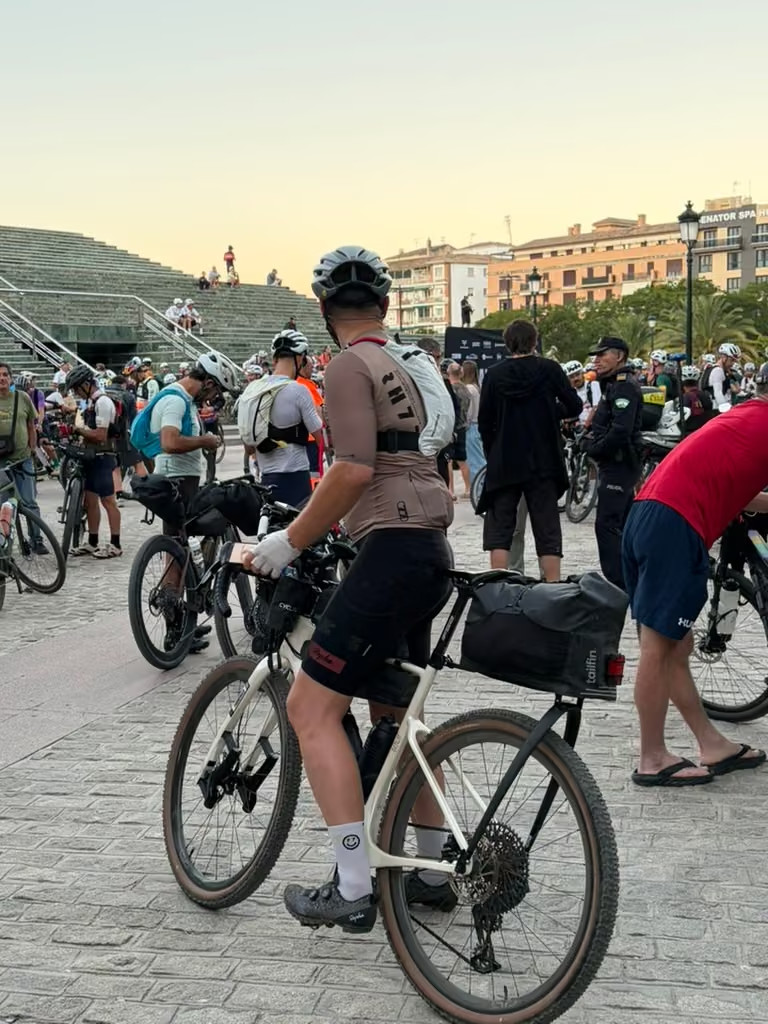
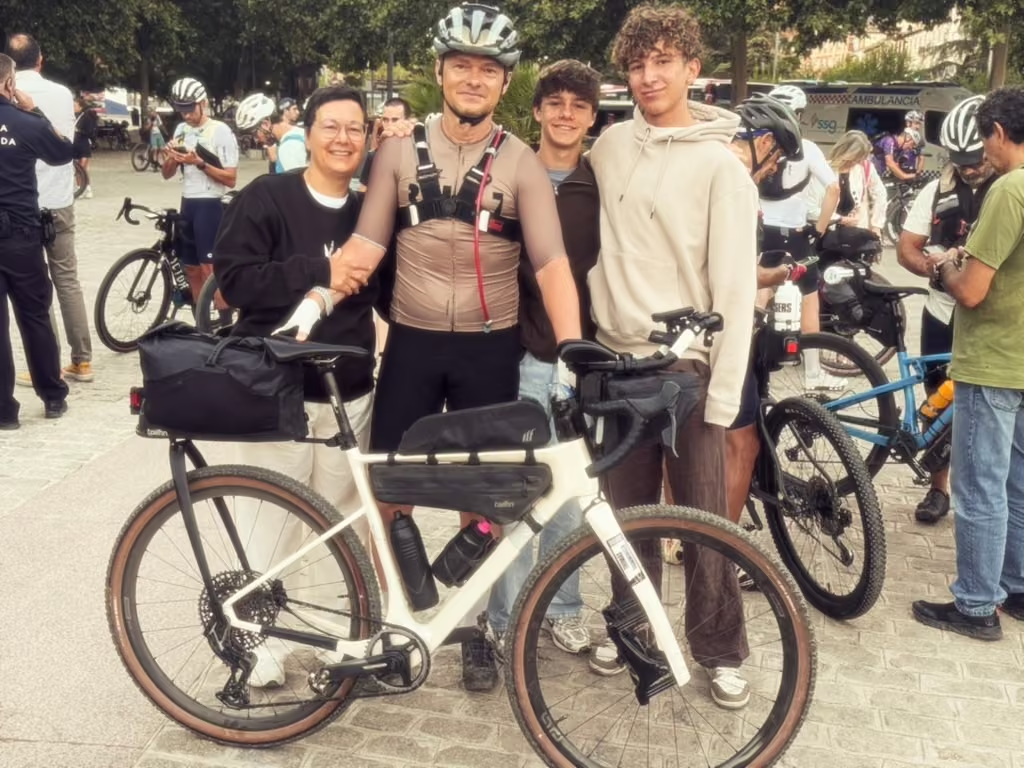
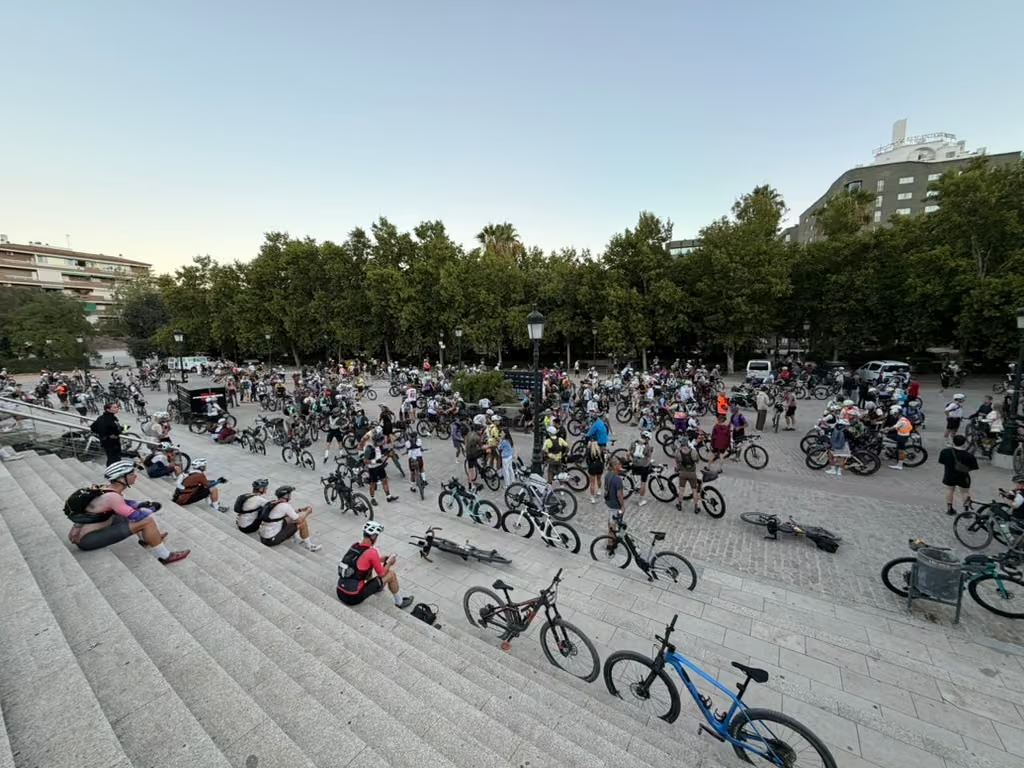
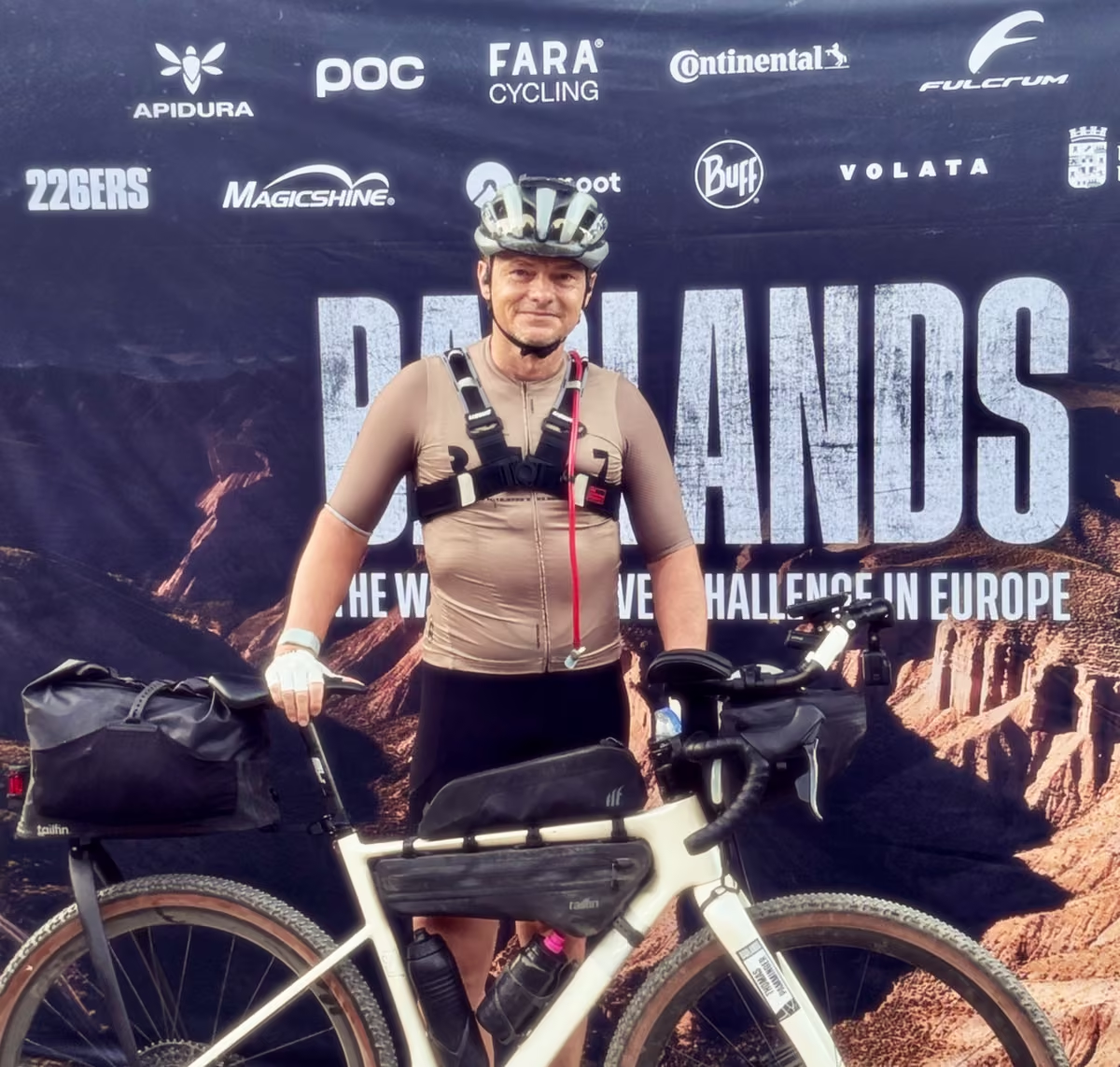
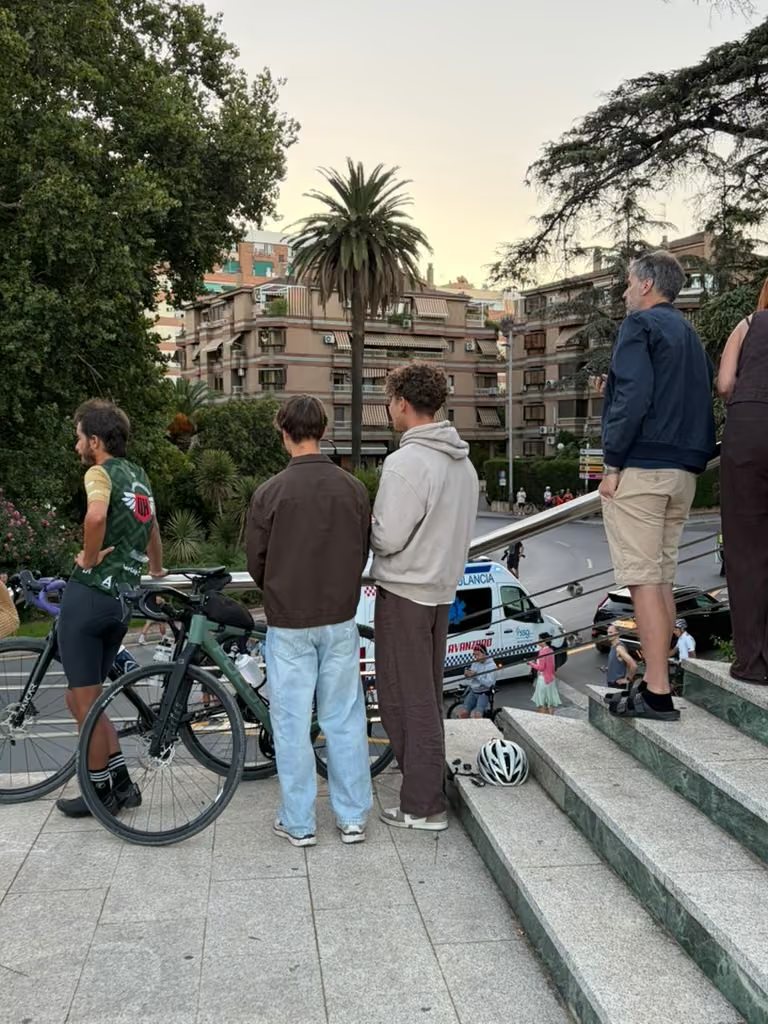
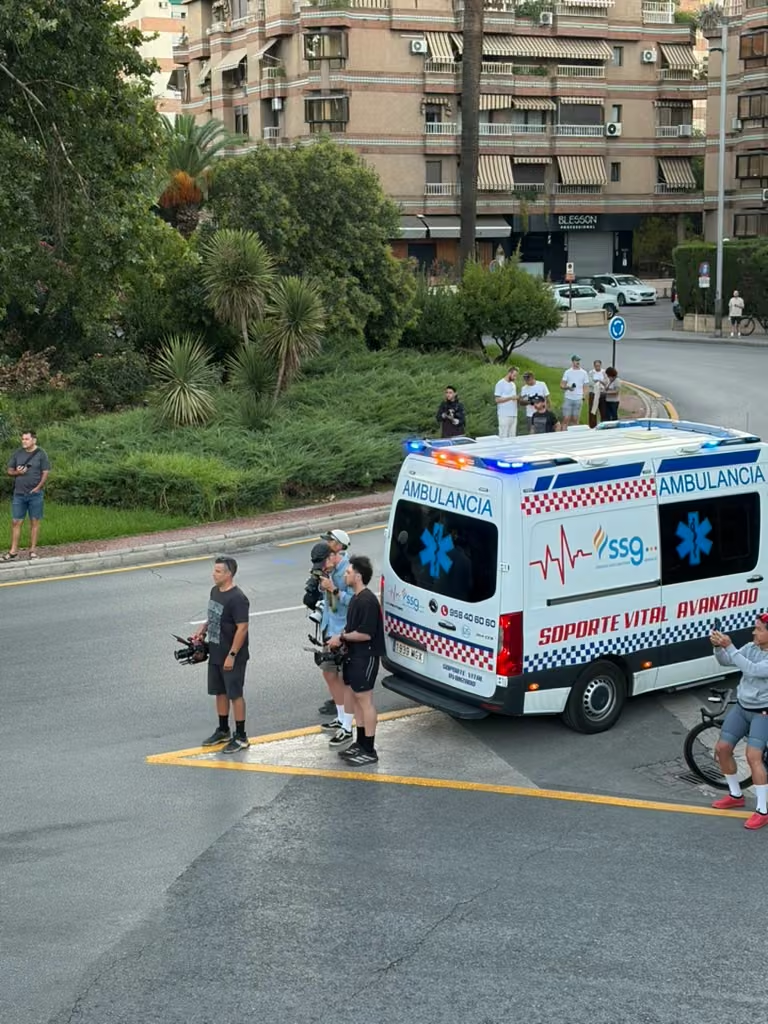
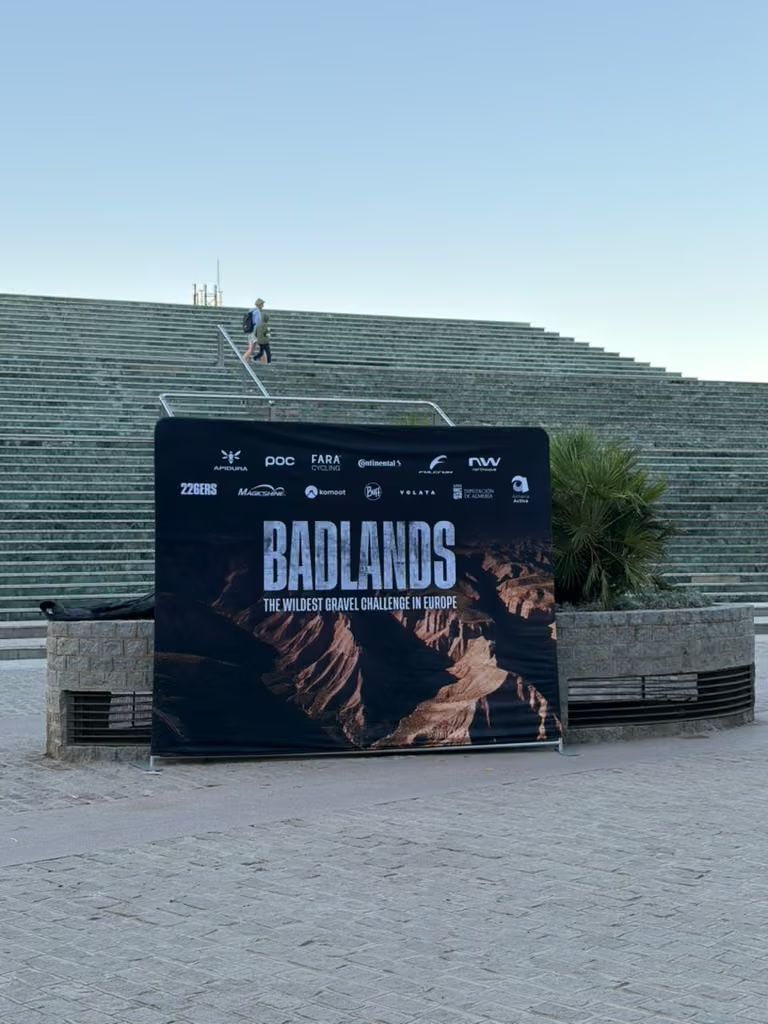
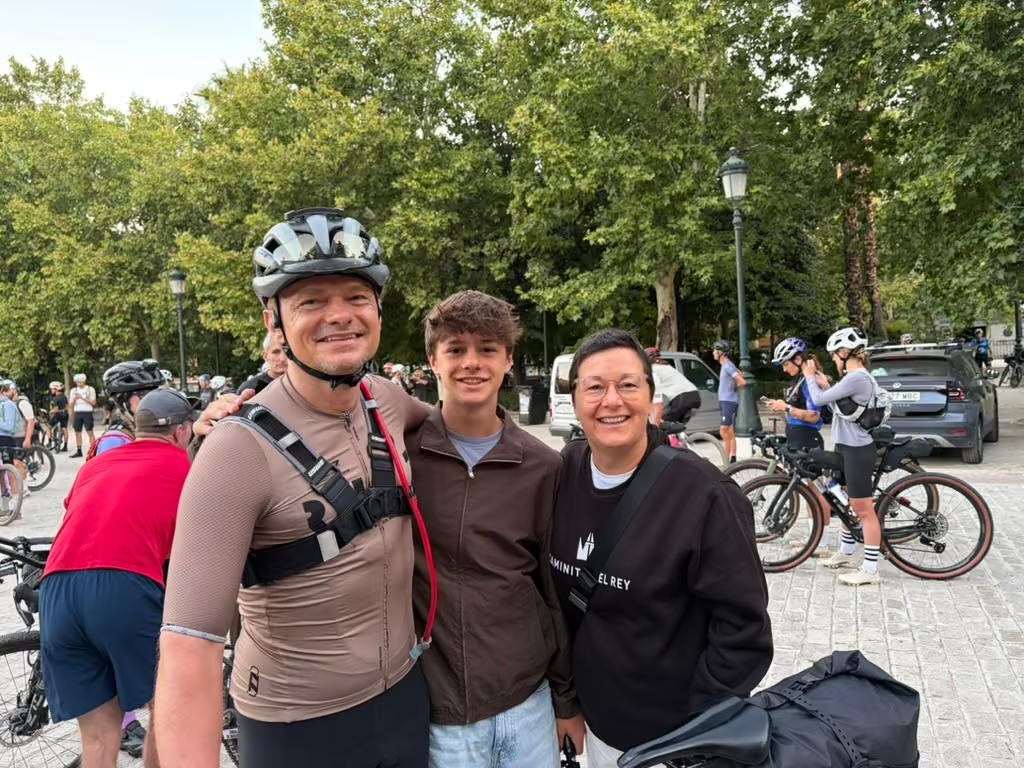
Badlands is a self-supported gravel race. We had 811 kilometers ahead of us on a fixed route through the mountains and deserts of Andalusia, down to the Mediterranean and back to Granada. Food, repairs and places to sleep were up to us. I had planned four days and three nights, knowing that was ambitious.
Before the start
Finishing Seven Serpents in May had given me confidence that I could get ready for this. My back had given me trouble there, so the remaining preparation included core and strength work as well as riding.
We had come to Spain two weeks before the race for a family holiday. I unpacked the bike outside the surf school in El Palmar and put it back together in full sun. That was my first heat-training session.
Among the parts was a small red-and-black plastic sleeve I’d found in Vienna. I usually get rid of things I don’t need, and I had nearly thrown this one away. Luckily I’d packed it. The SRAM manual showed where it belonged: inside the derailleur mount I had just assembled. Before the first ride, the derailleur had to come off again.
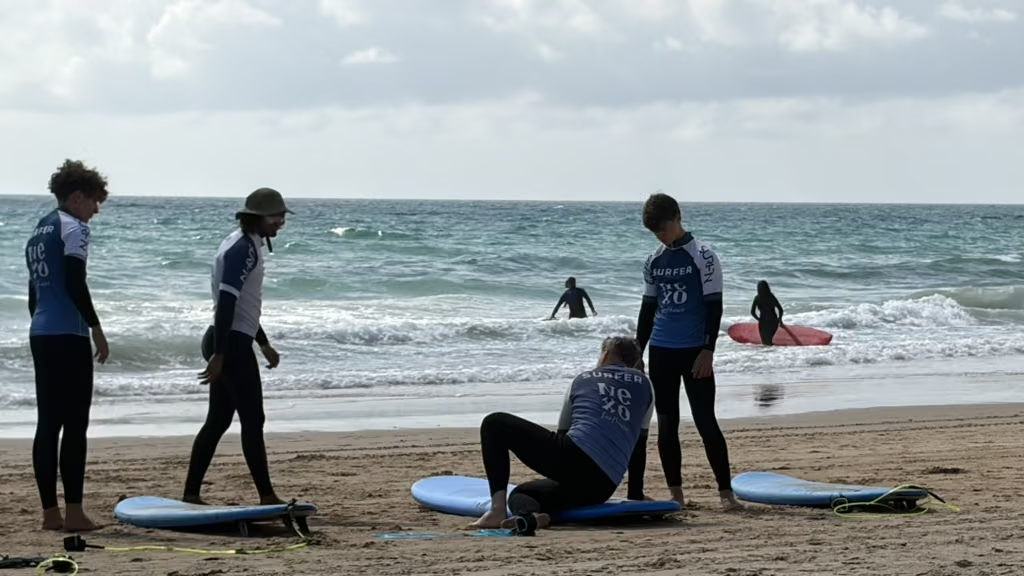
Most of the training was done. Between short rides in the sand and heat, I took surfing lessons and played paddle tennis with the family.
A week before the start I found the connector on my Tailfin rack bent sideways. This was the part that would keep my luggage attached. Tailfin sent an express replacement to my hotel in Granada, and I added parcel tracking to the remaining preparation.
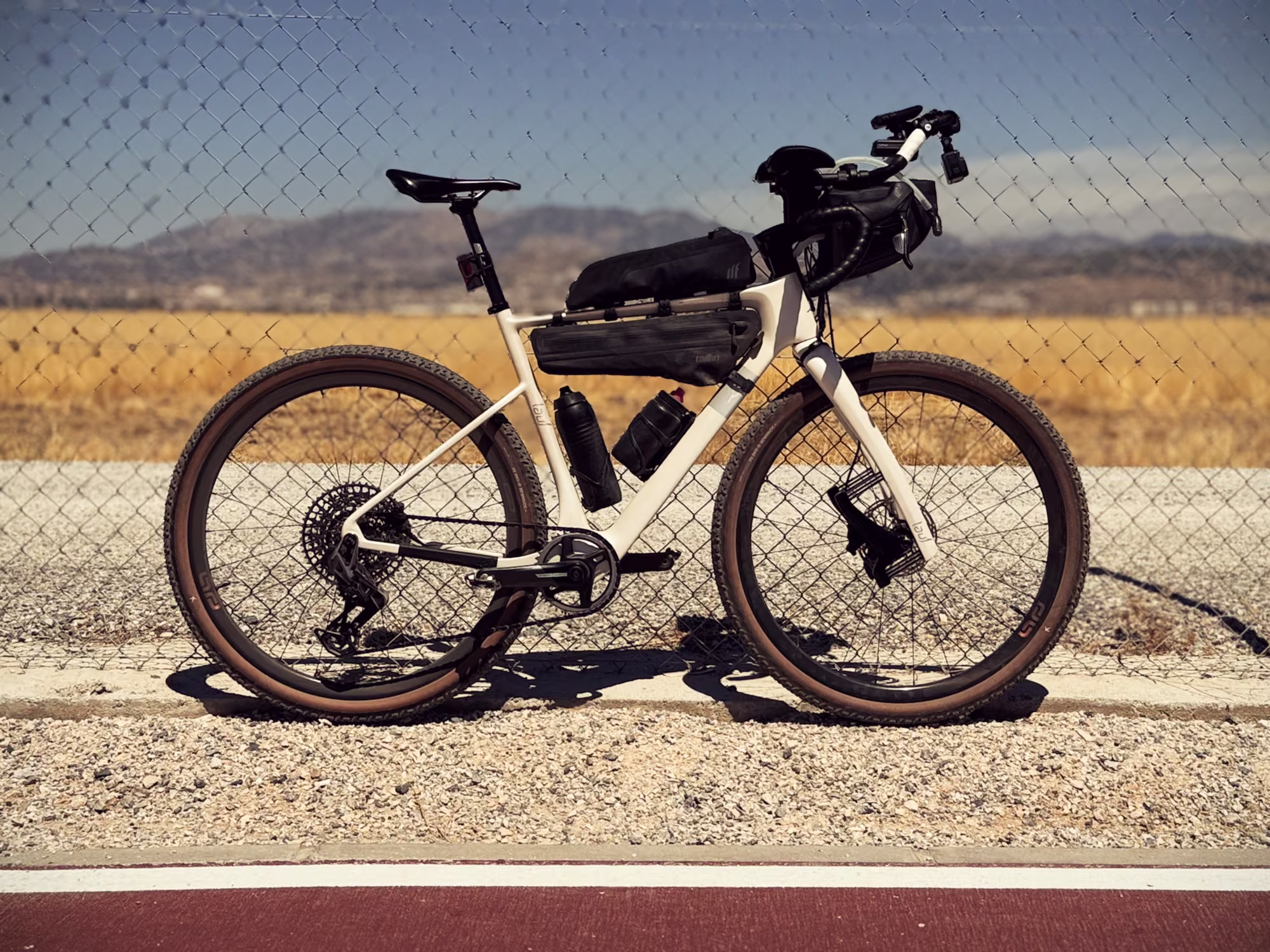
The part reached the hotel on Thursday, a day before I did. I fitted the new connector on Saturday morning. Thank you, Tailfin.
The hotel was filling with riders, most of them looking very lean and very professional. With every new carbon frame, my nerves went up a little. Next to them I felt like the heavyweight division. Then again, I was planning to be out there for four days. Maybe a little built-in reserve wasn’t the worst thing.
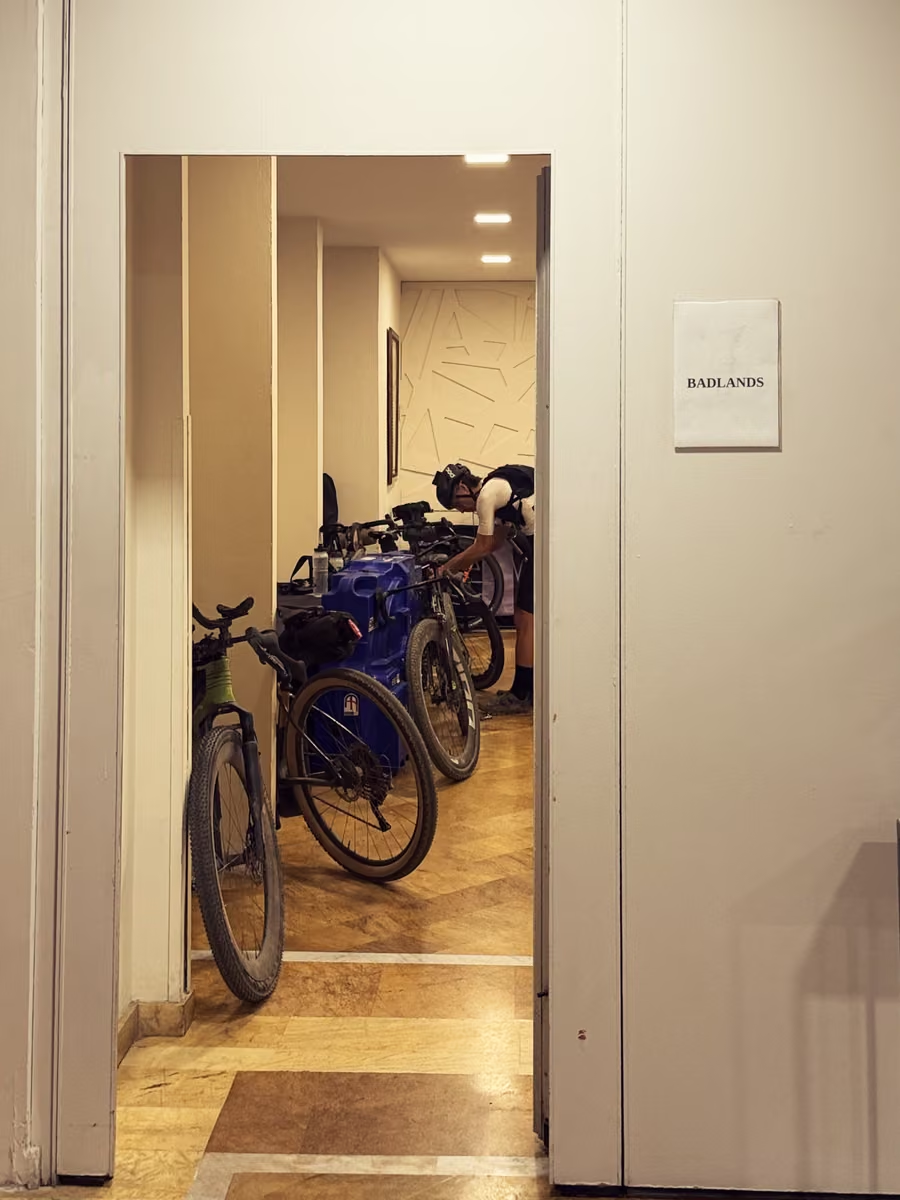
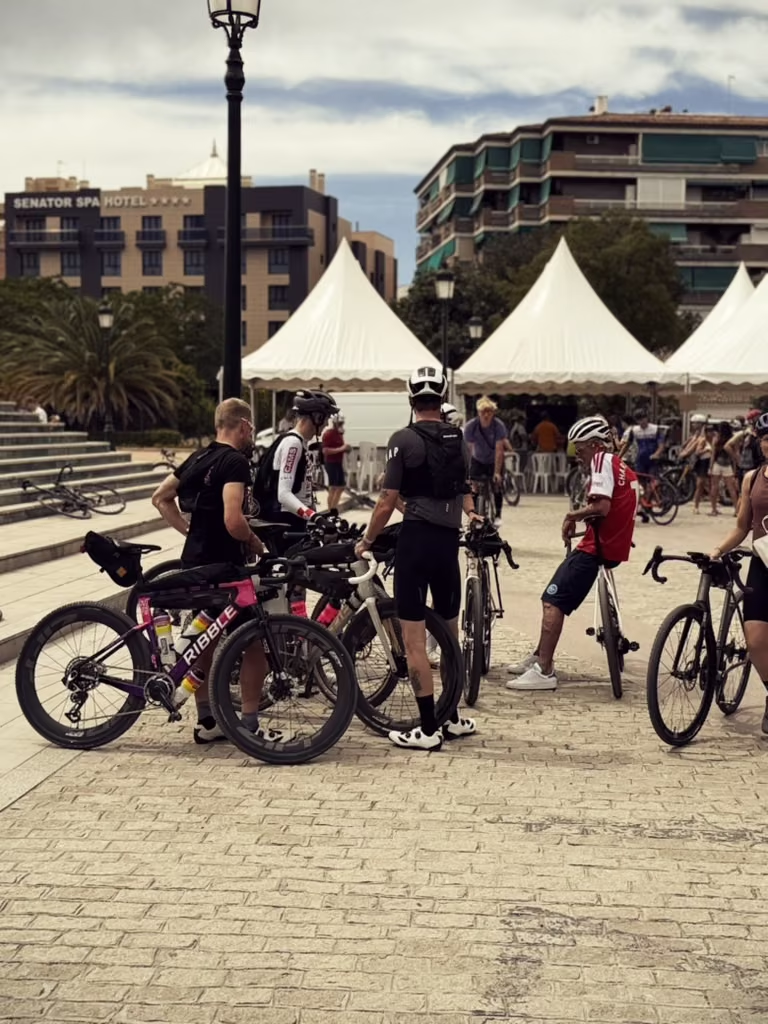
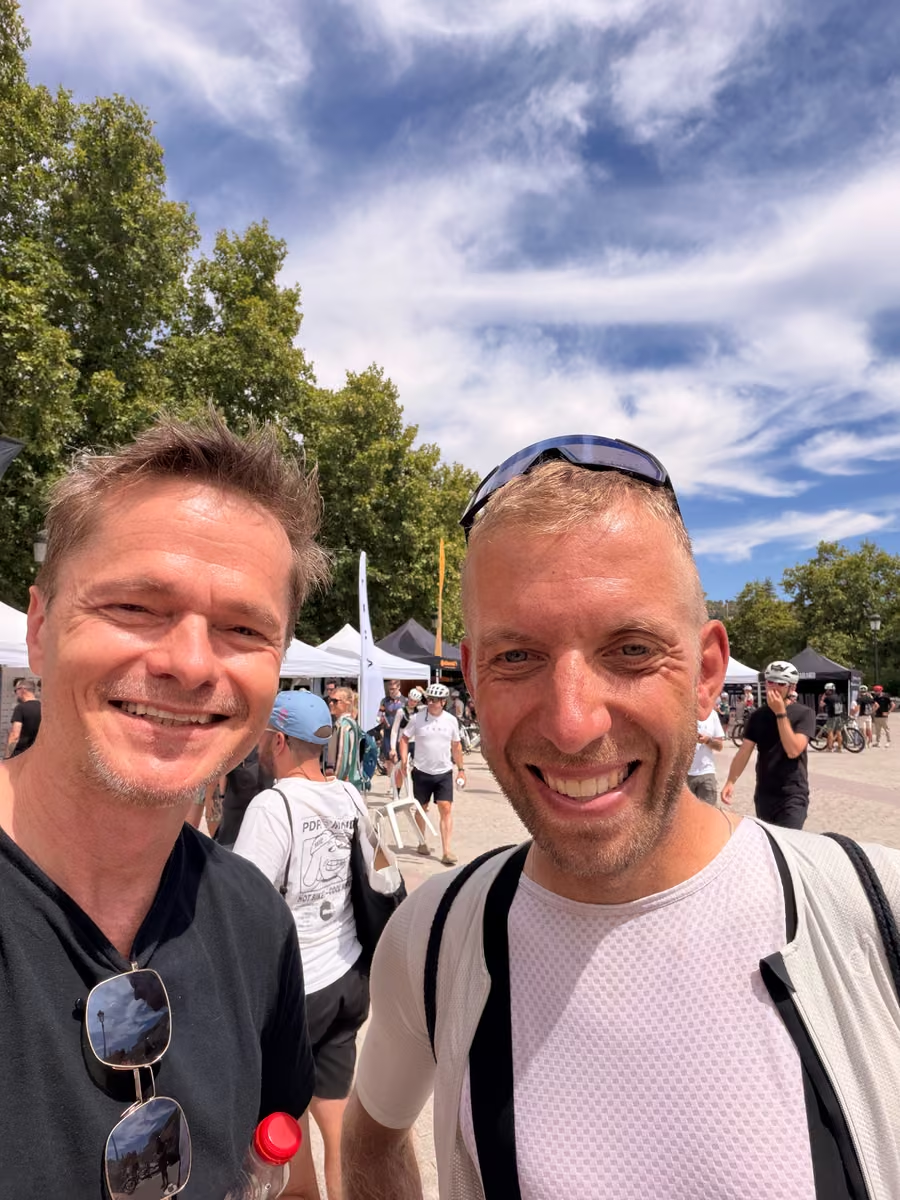
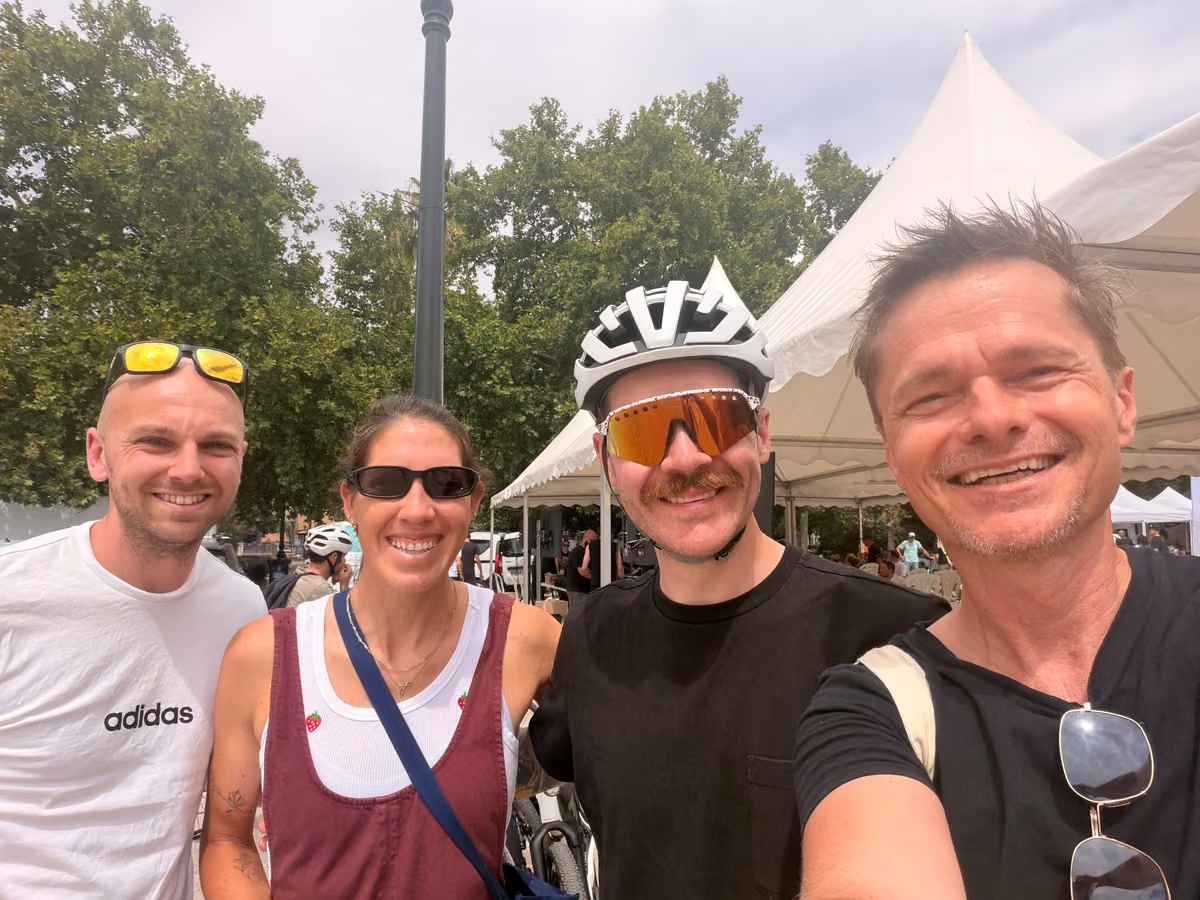
On Saturday I walked through Granada with my family, stopping at a bakery on the way to accreditation. Some faces there were familiar from YouTube, including Chris Hall. I also saw Bruno from Seven Serpents again. I really enjoyed talking to Ulrich Bartholmoes. He gave me lots of tips, including carrying an extra bottle of water in the heat so I could pour some over my head to cool down.
The plan
I planned to sleep in Gor, Agua Amarga and Alboloduy, allowing about four hours at each stop. I had no beds booked. The rules only allowed bookings once the race had started.
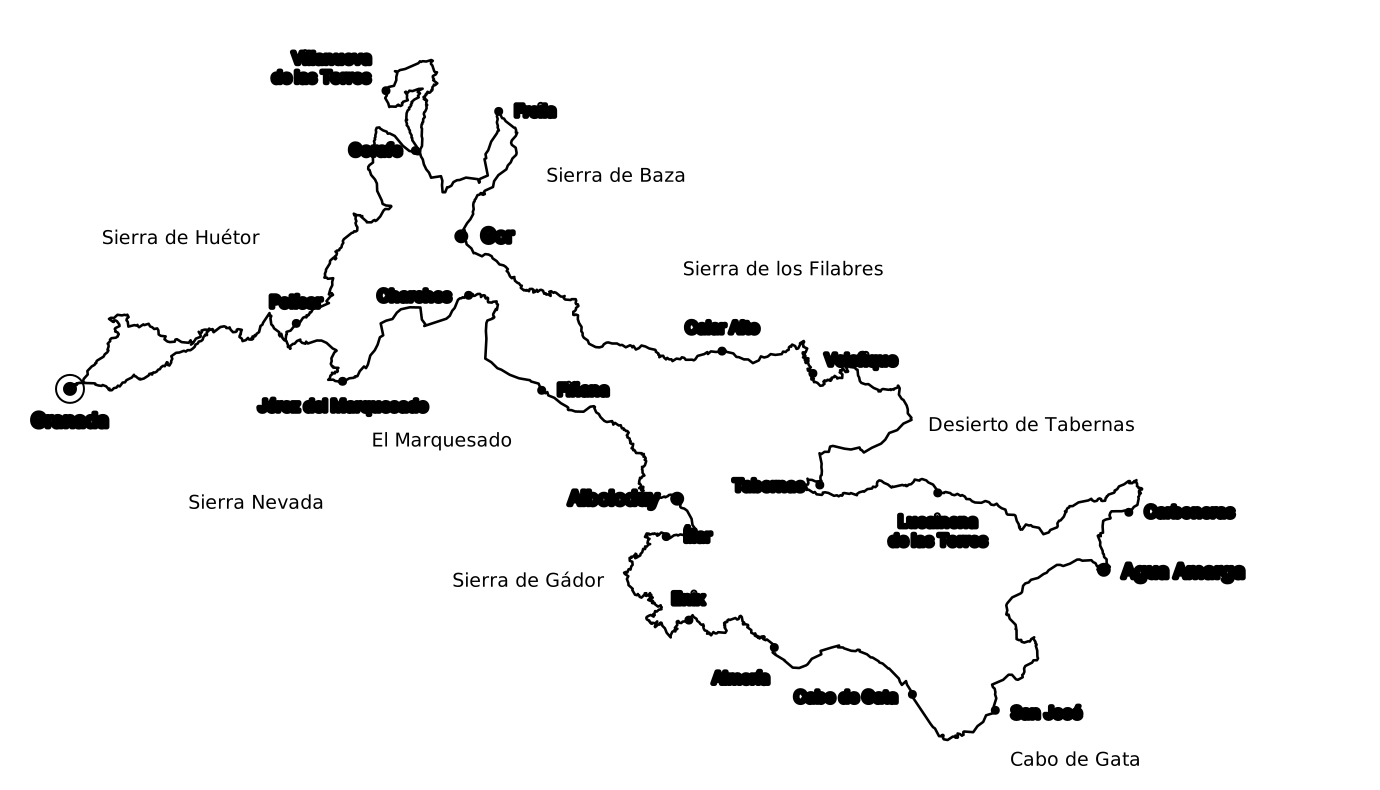
I’d built the timetable from sections of Seven Serpents with similar distances and climbing, adding 15% to the riding time, or 20% in the deserts. It came to roughly 13.4 km/h while moving.
The optimistic version had me back in Granada on Wednesday afternoon. Thursday, somewhere between midnight and four in the morning, looked more realistic. The cutoff was Thursday at eight in the evening.
| Leg | Leave | Arrive |
|---|---|---|
| Granada → Gor~230 km · ~5,200 m gain ~17.7 h riding | Sun 08:00 | Mon 03:23 |
| Gor → Agua Amarga~232 km · ~4,200 m gain ~16.1 h riding | Mon 07:23 | Tue 00:46 |
| Agua Amarga → Alboloduy~178 km · ~3,900 m gain ~13.4 h riding | Tue 04:46 | Tue 19:30 |
| Alboloduy → Granada~171 km · ~4,300 m gain ~13.2 h riding | Tue 23:30 | Wed 14:04 |
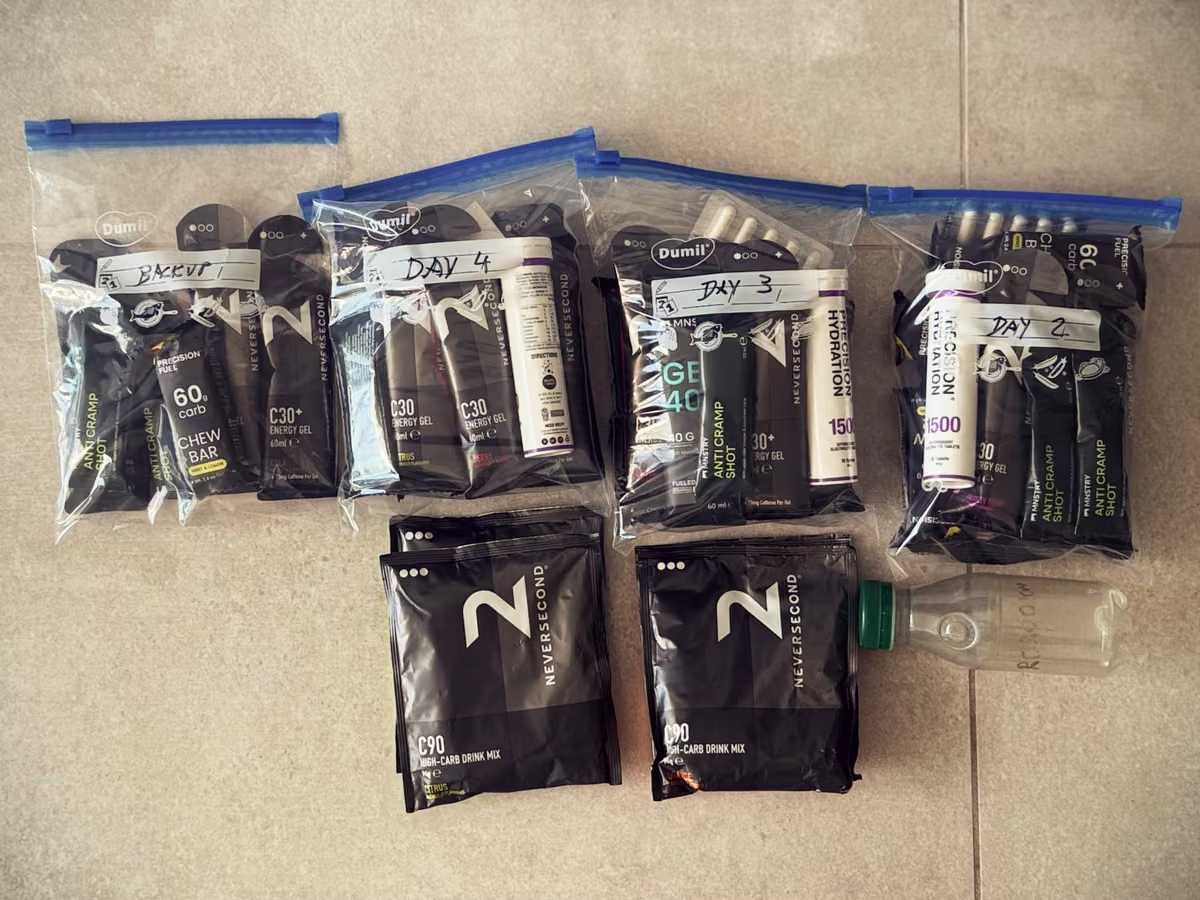
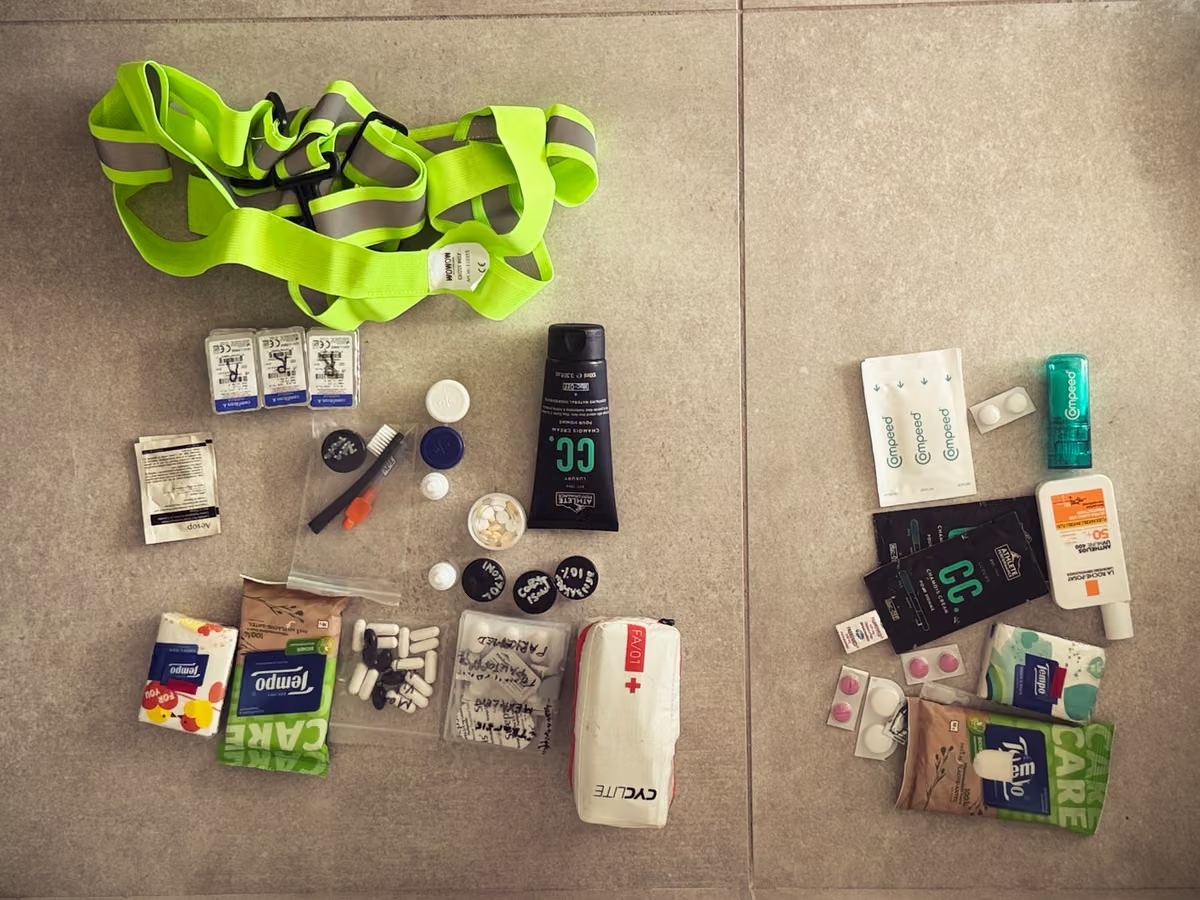
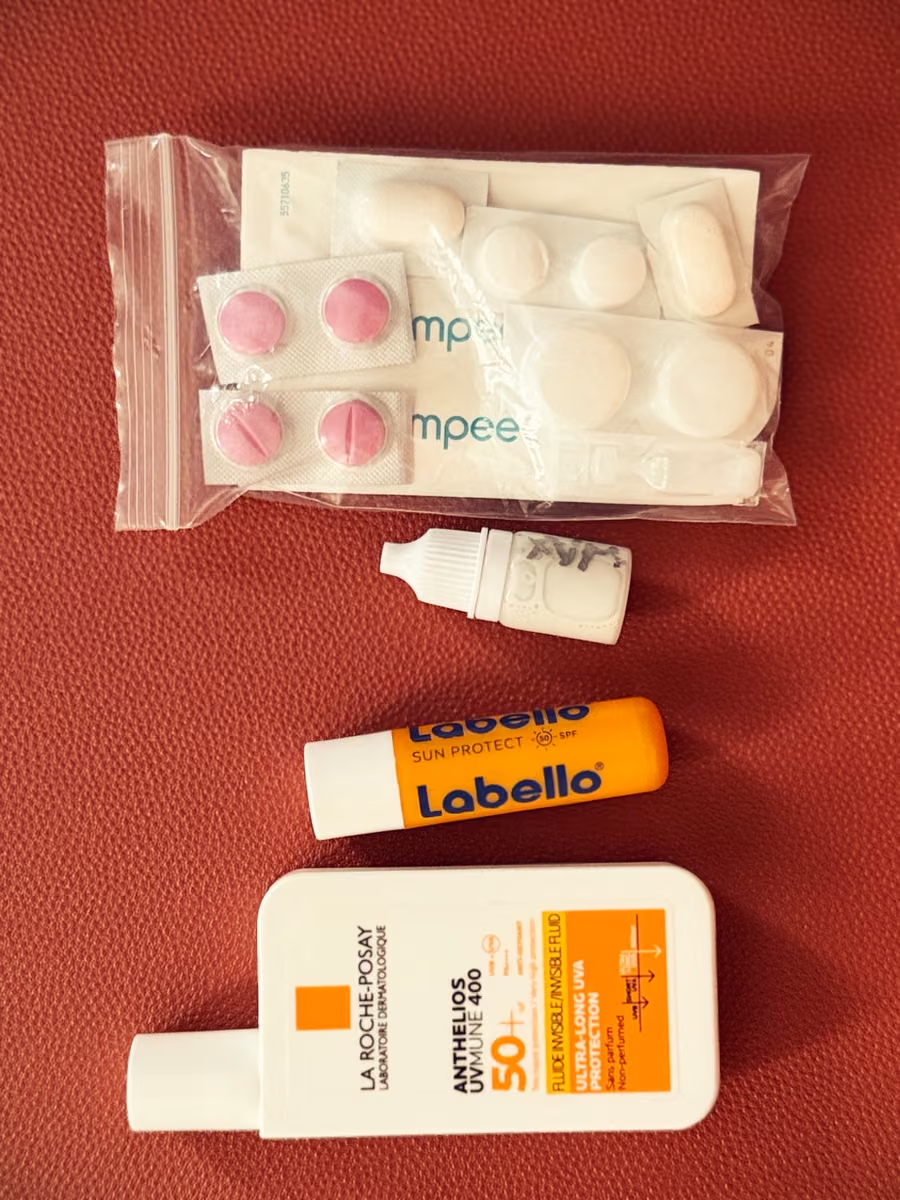
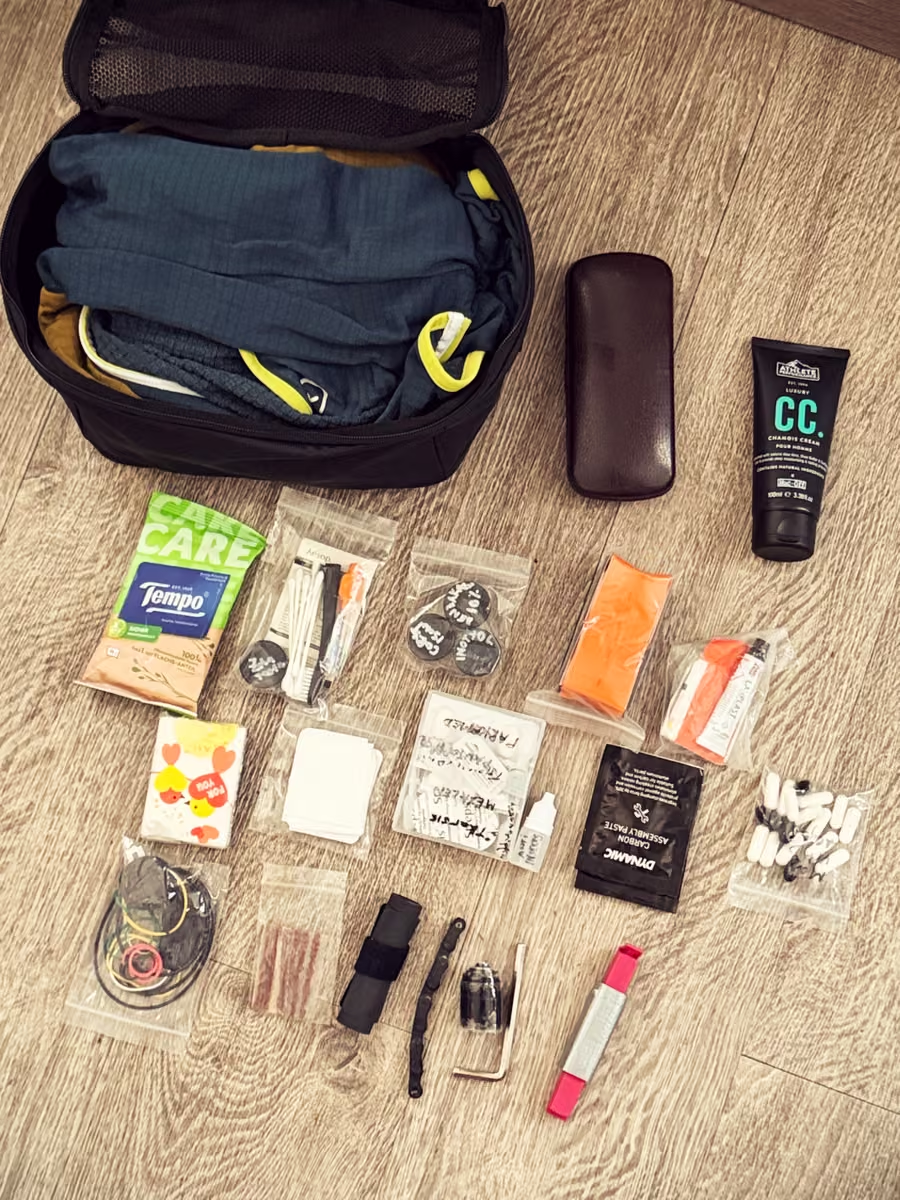
I had packed four daily food bags, with bars and gels to cover about 40 grams of carbohydrate per planned riding hour, plus electrolytes. Shops and bars would have to supply the rest.
The forecast said 17 to 33°C, while the Spanish weather service said 38°C inland. I packed a rain jacket anyway.
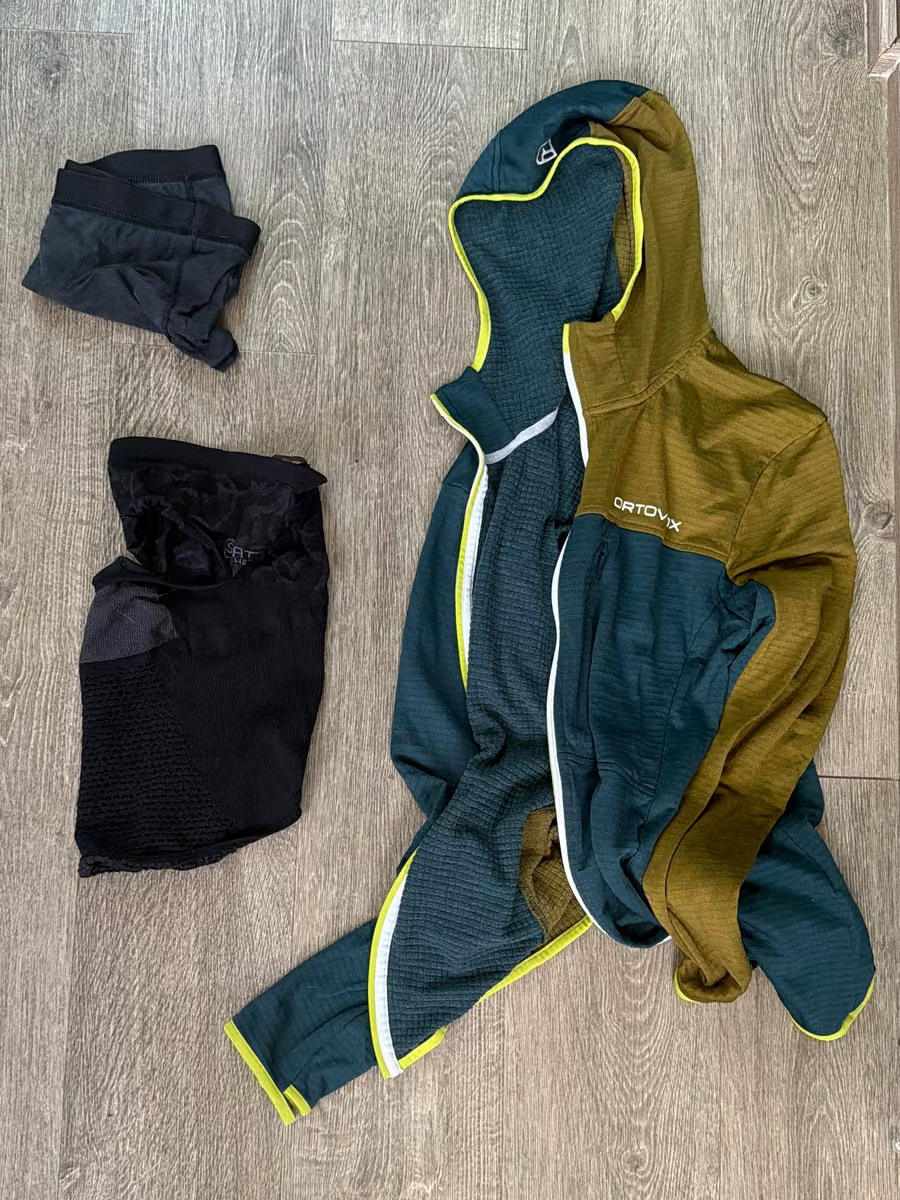
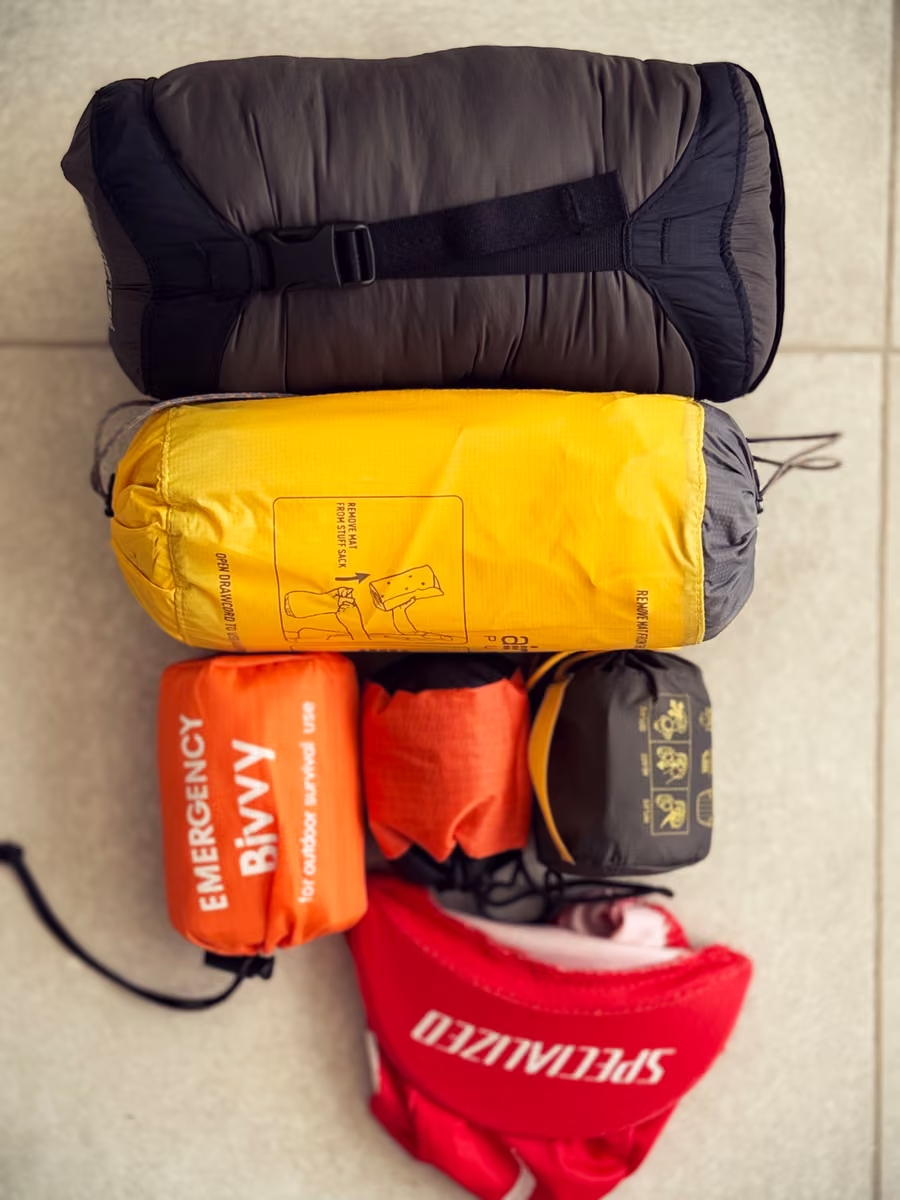
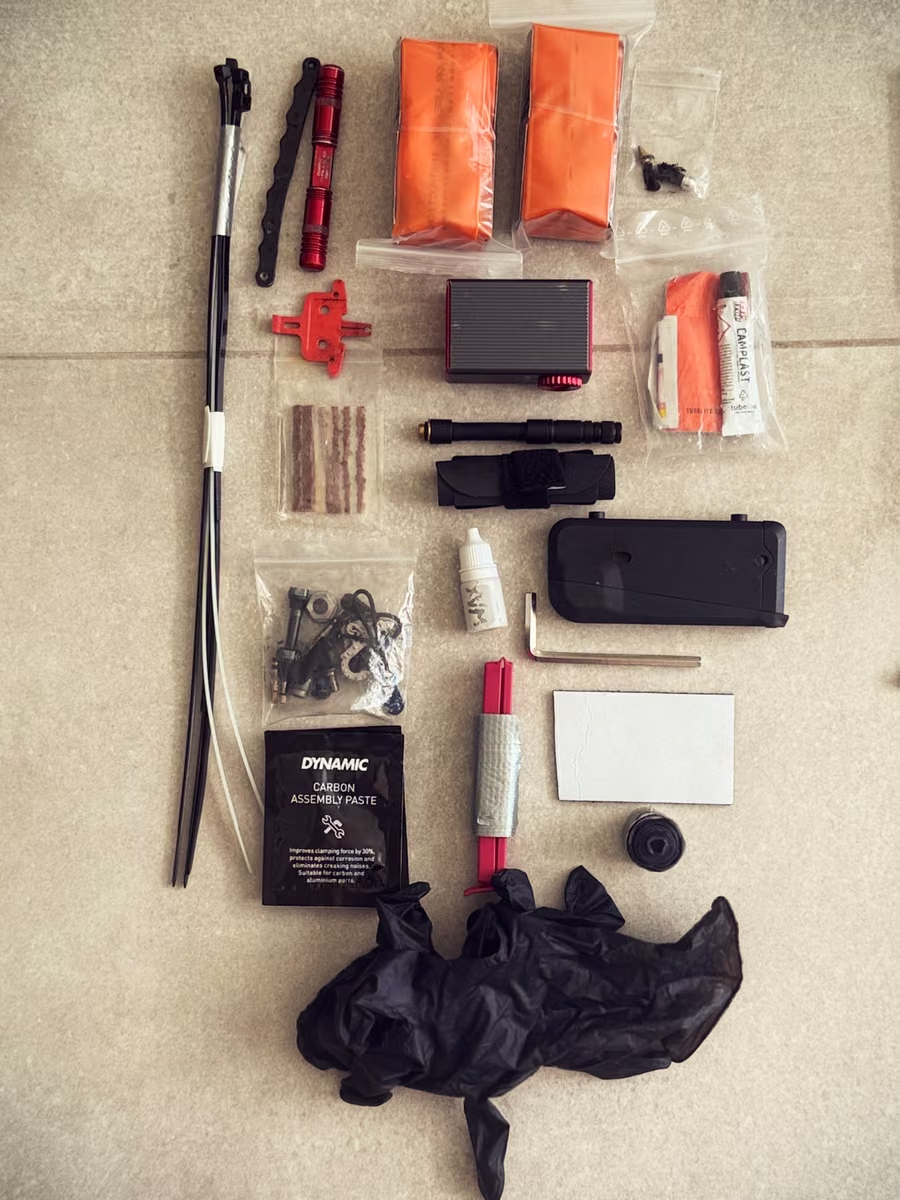
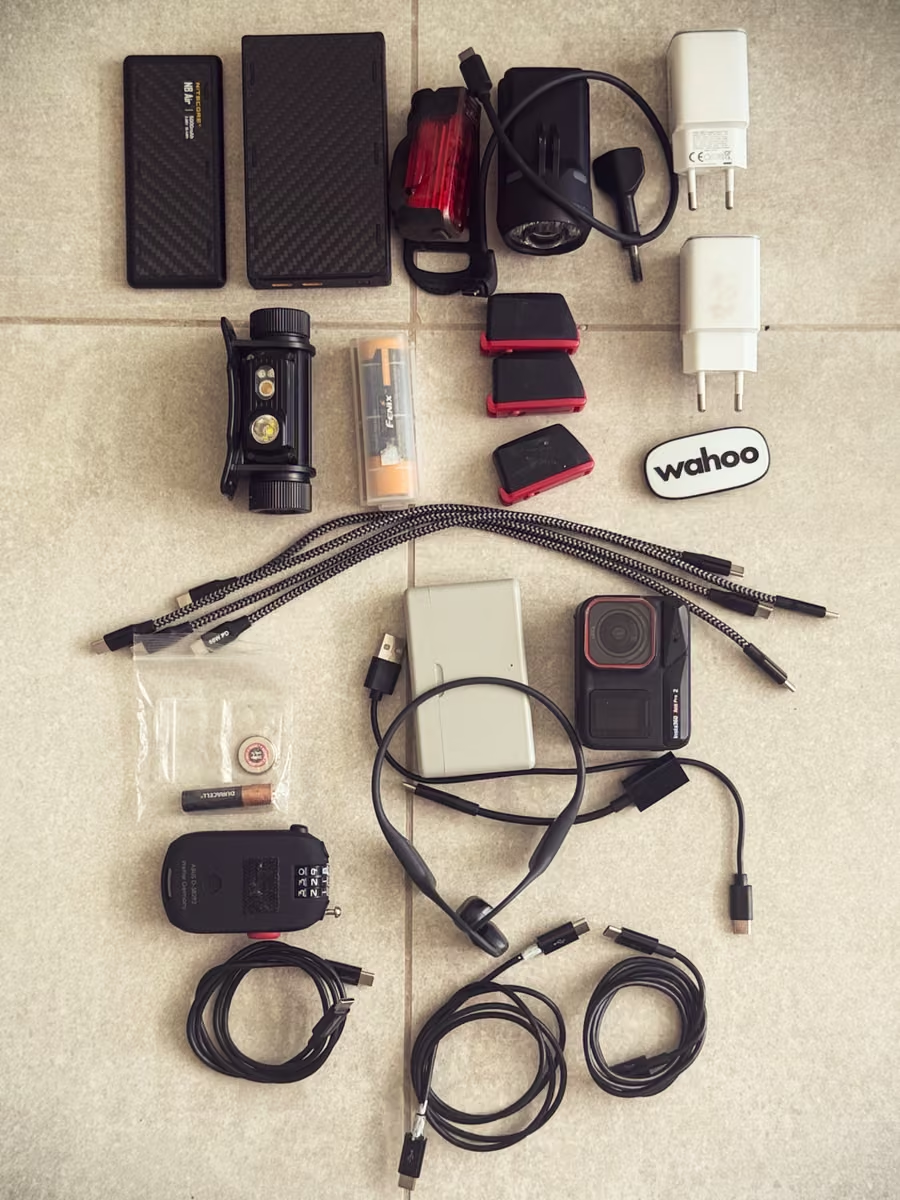
Granada to Gor
30–31 August · ~229 km recorded · ~4,600 m gain
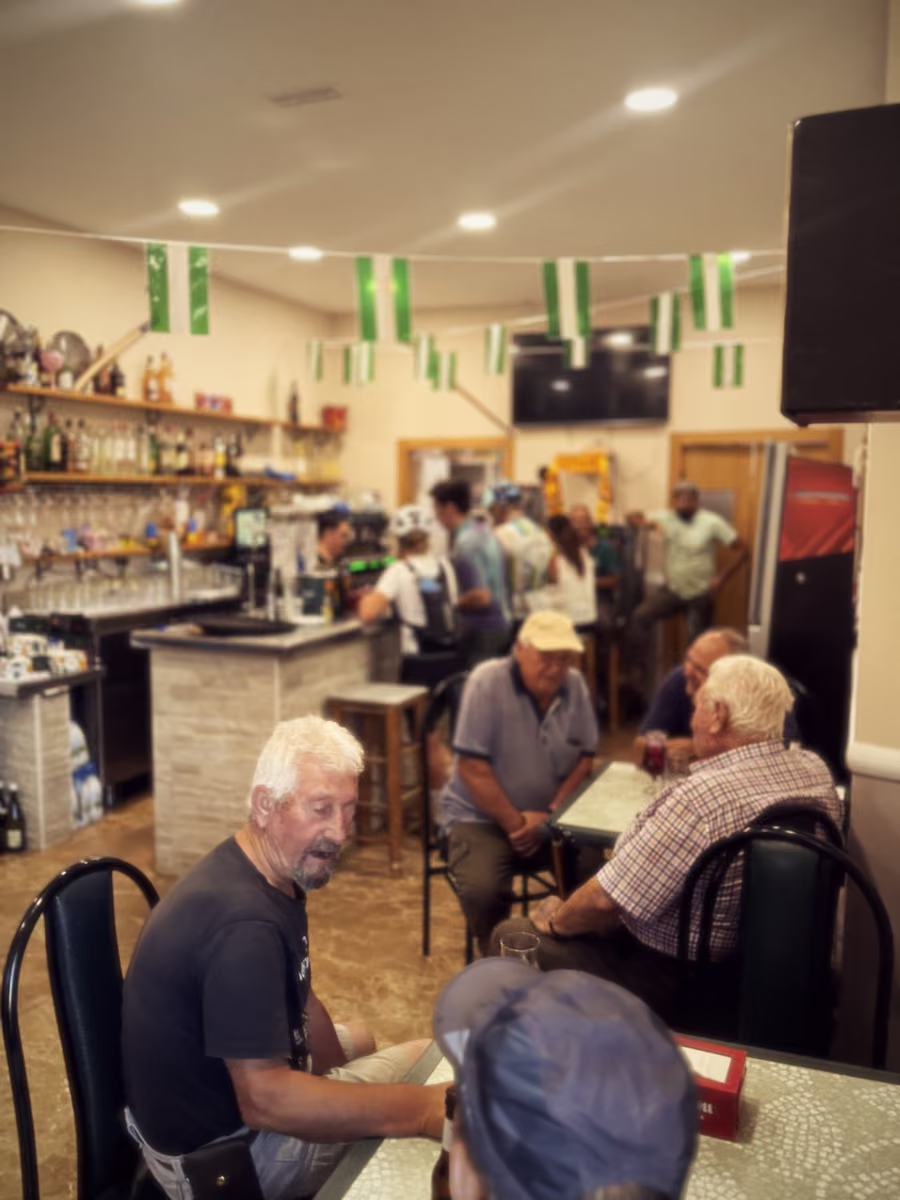
We rolled out of Granada behind police cars, with the first kilometers neutralized. At the first stop in Polícar, the locals had the tables and we had the counter. I ate two ice pops, refilled my water and took a cola for the road. I would have a proper meal in Gorafe.
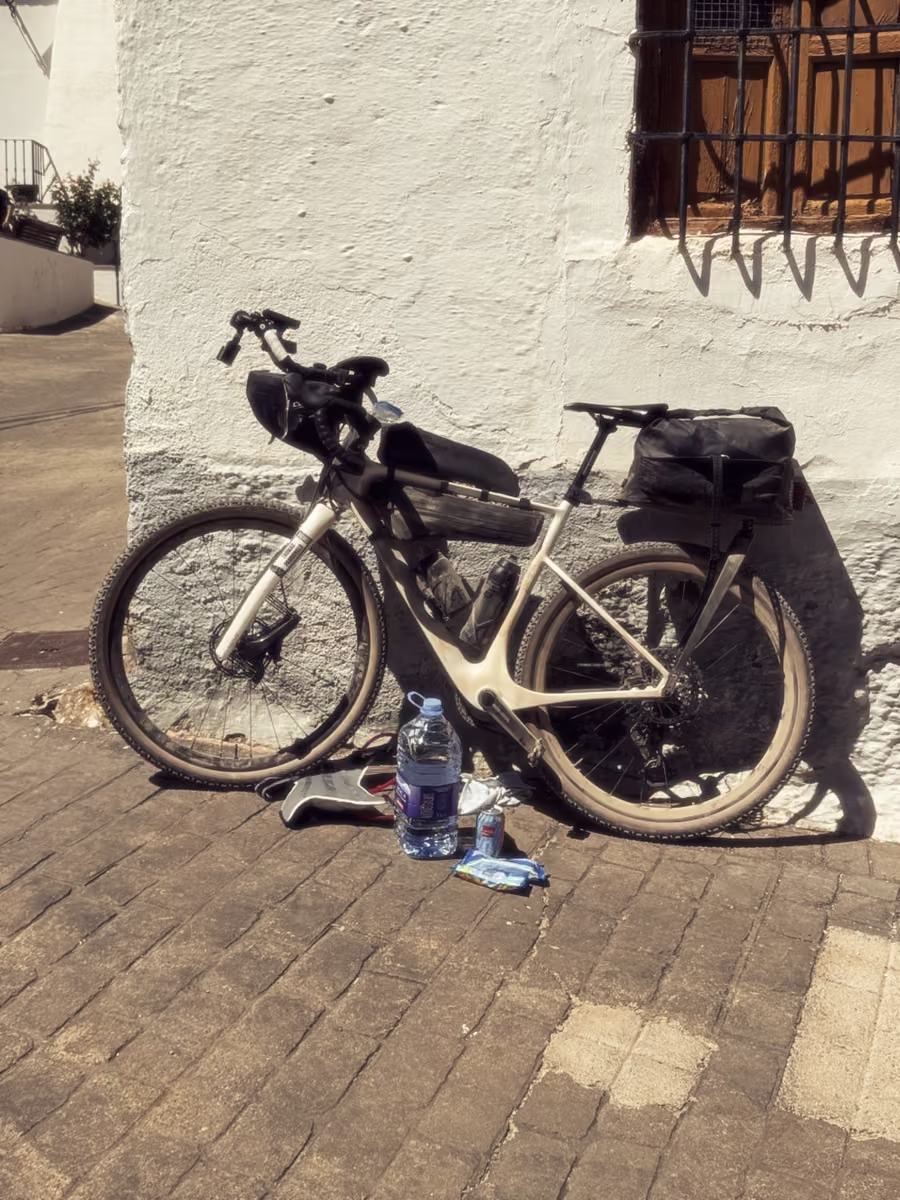
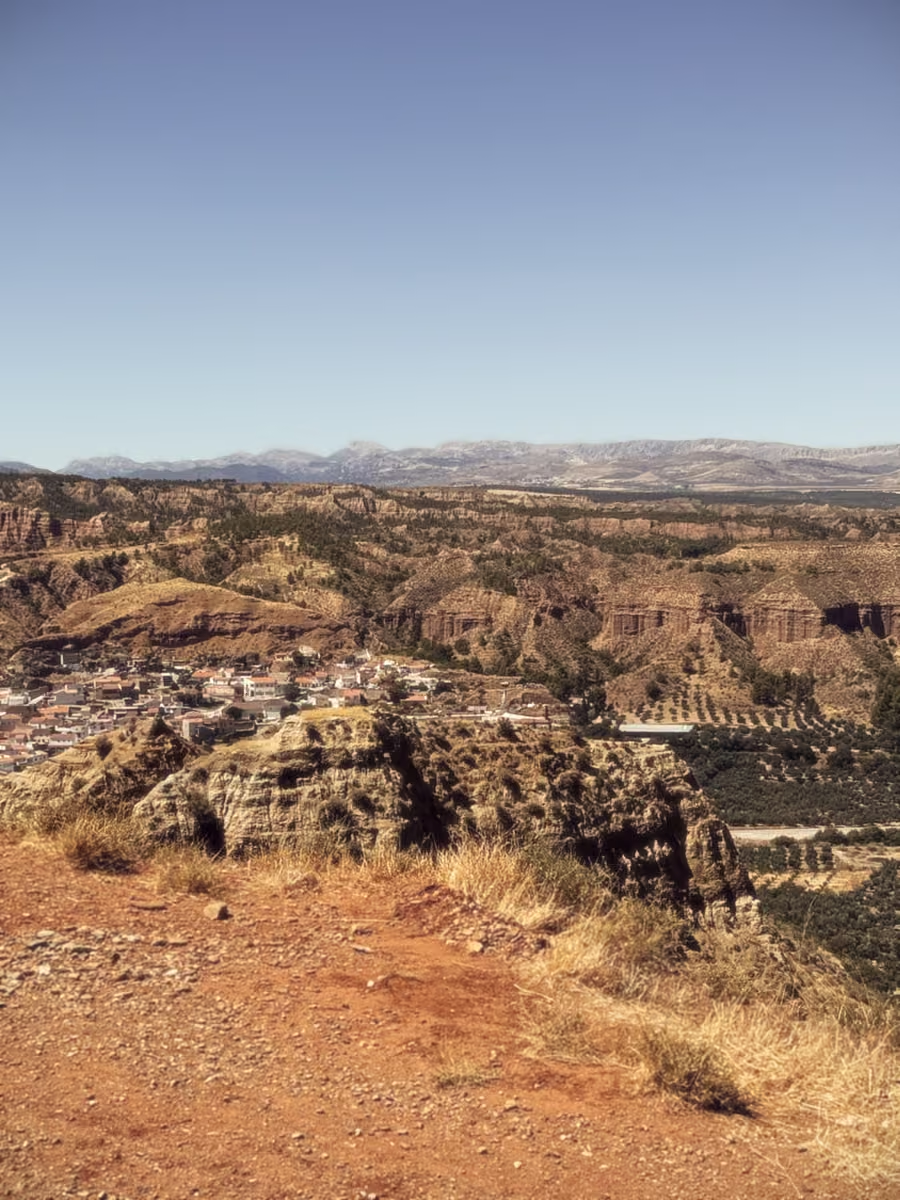
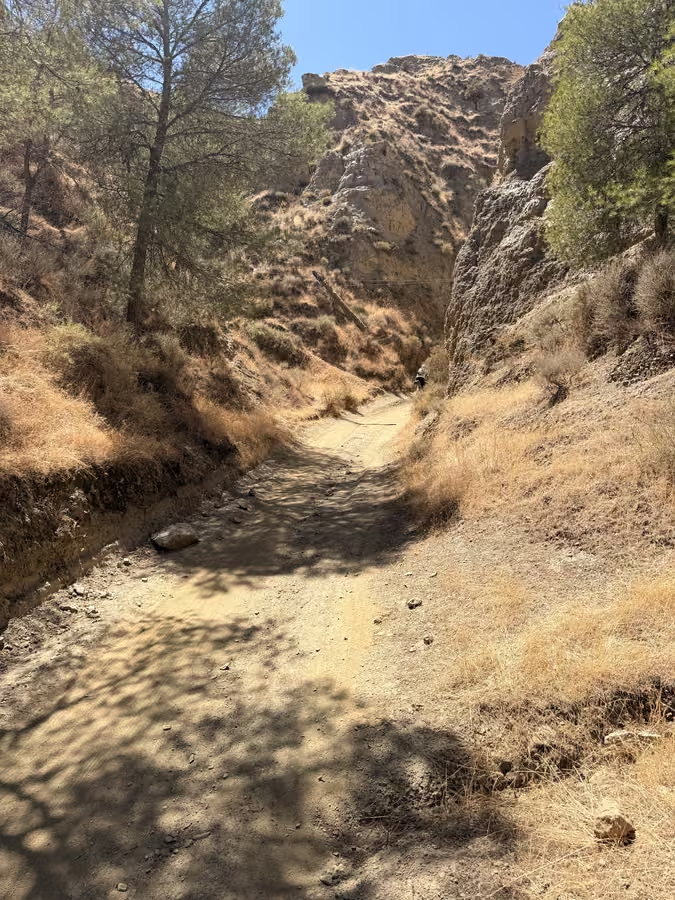
On a descent near Fonelas that afternoon, I hit something and the whole handlebar rotated down in the clamp. I crashed.
I was not hurt, and nothing broke.
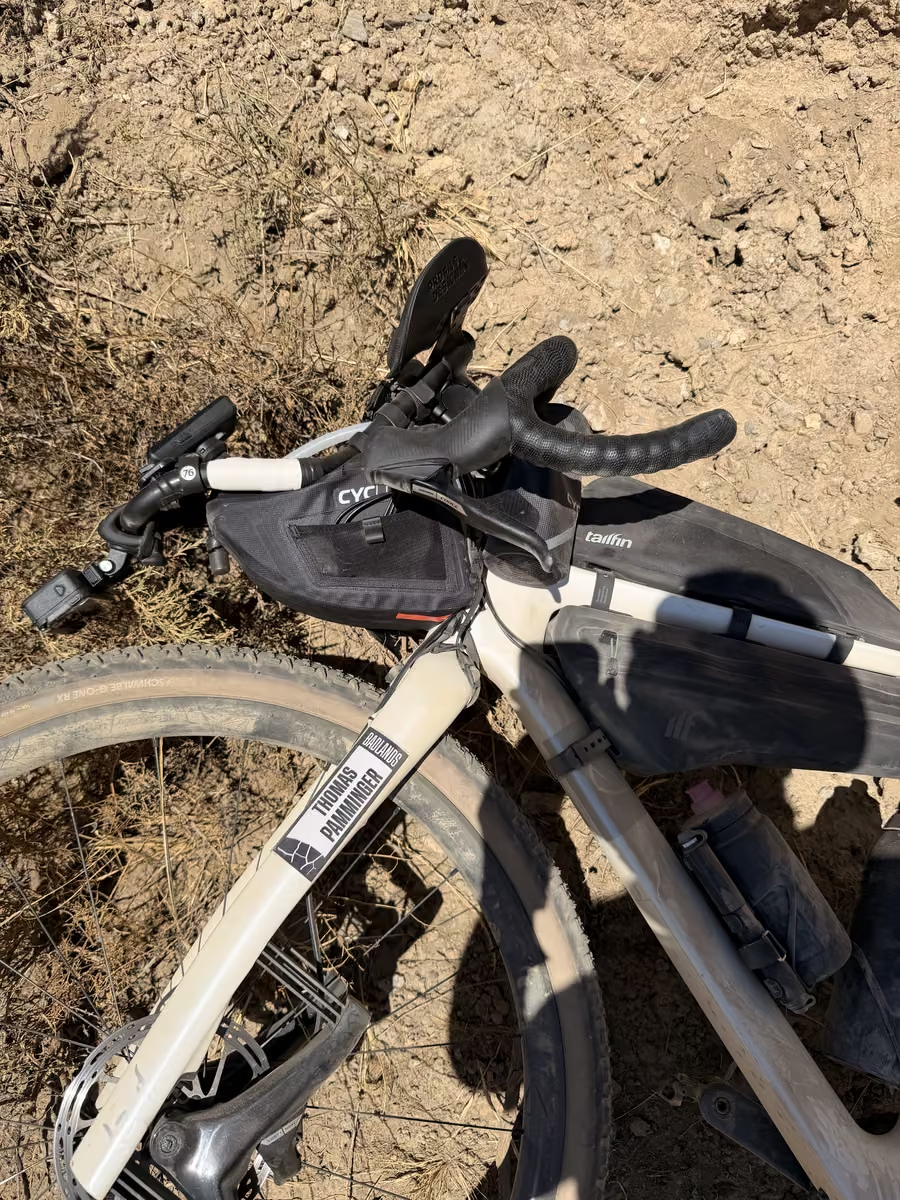
I put carbon paste on the clamp and tightened it, and it held for the rest of the race. I still suspect the weight of the bag and water bladder on the aerobars helped turn the handlebar. Before the first night I checked every bolt on the cockpit by hand.
Gorafe was crowded with riders when I stopped around six, before the desert loop. I ate, drank some Coke, refilled my water and packed another Coke for the road.
As I left, Led Zeppelin’s Stairway to Heaven was playing outside. I’m a fan.
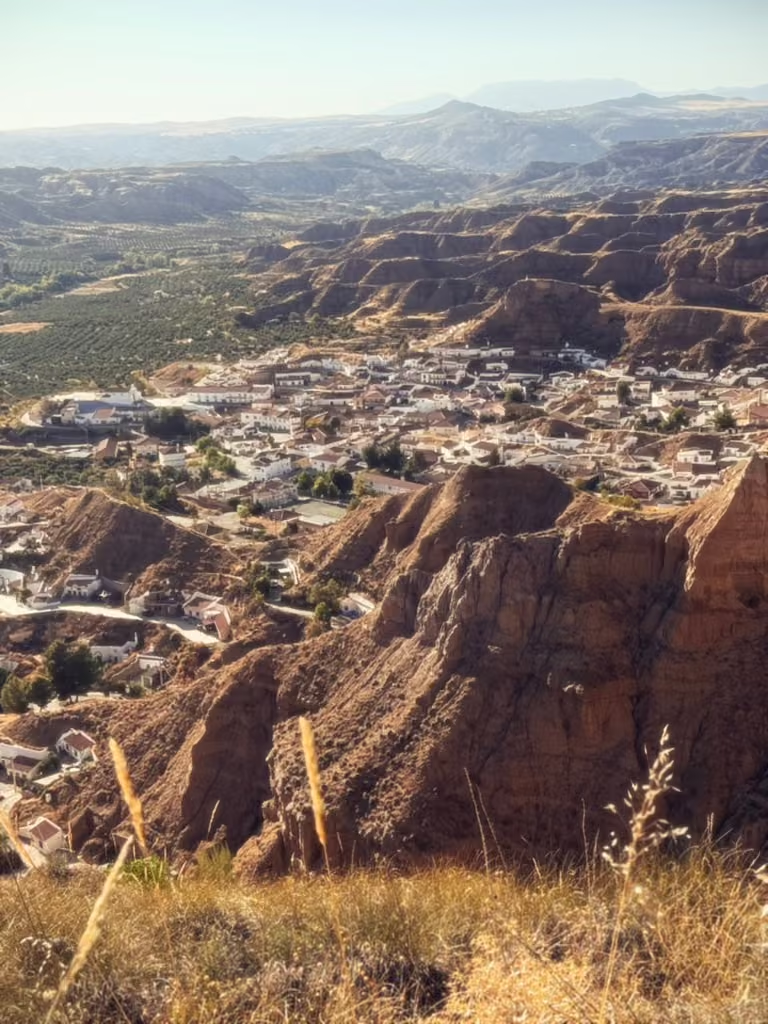
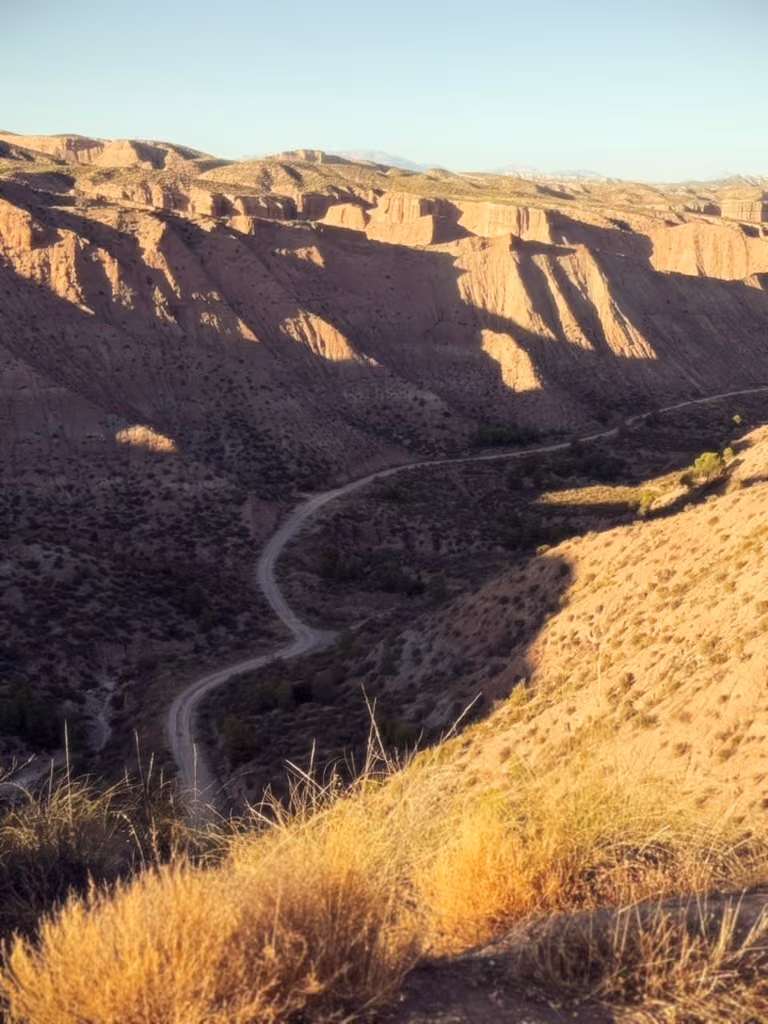
By Villanueva de las Torres I was an hour behind my window. On the climbs I had been choosing to walk rather than ride at around 300 watts, trying to save my legs and stay away from cramps. I also thought I’d taken too much water from Gorafe, carrying it front and back.
Ahead was Freila, where I had planned to decide whether to sleep or continue to Gor.
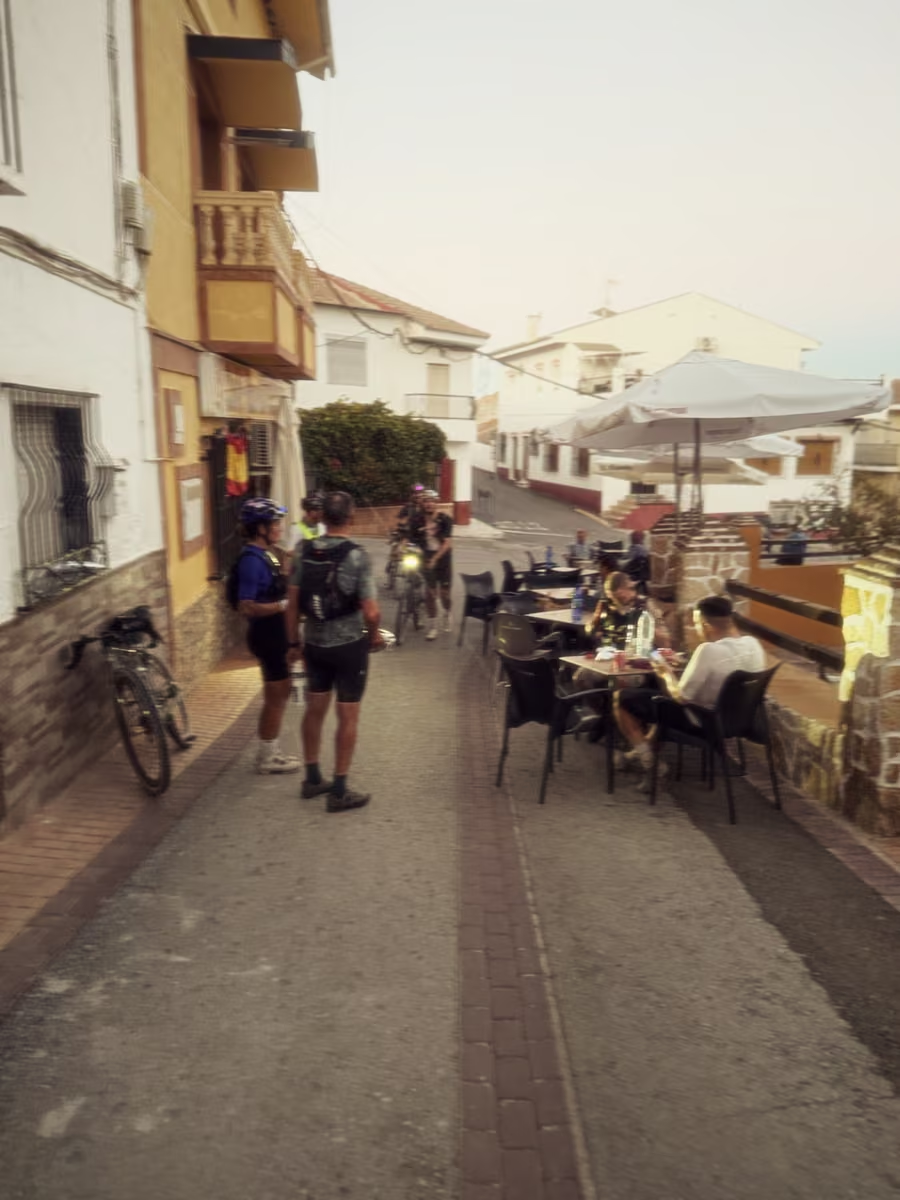
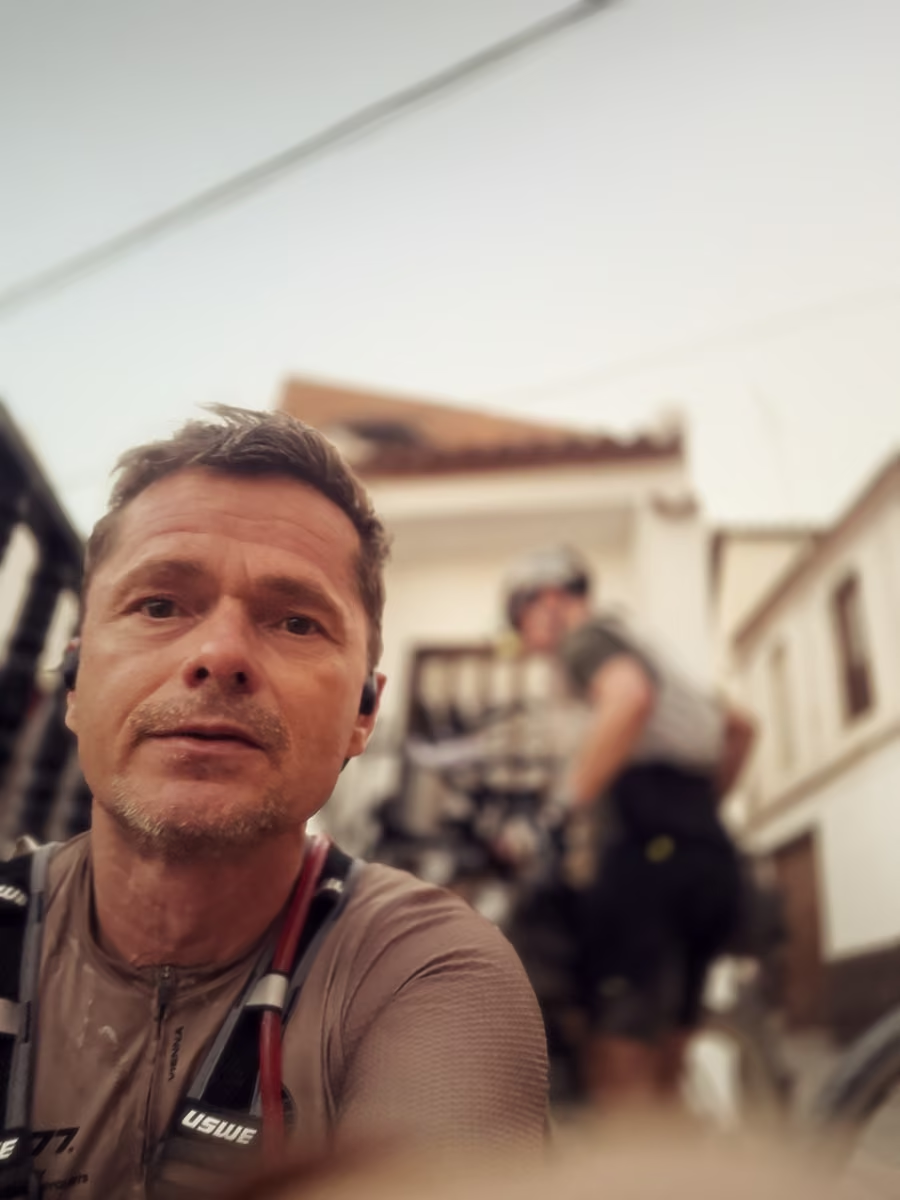
Freila was asleep when I arrived in the dark. It was very steep there, and Gor was still another 26 kilometers and 600 meters of climbing away. I decided to carry on.
Shortly after five, I laid my mat against the boards of the bullring in Gor and climbed into the sleeping bag. I slept for about two hours.
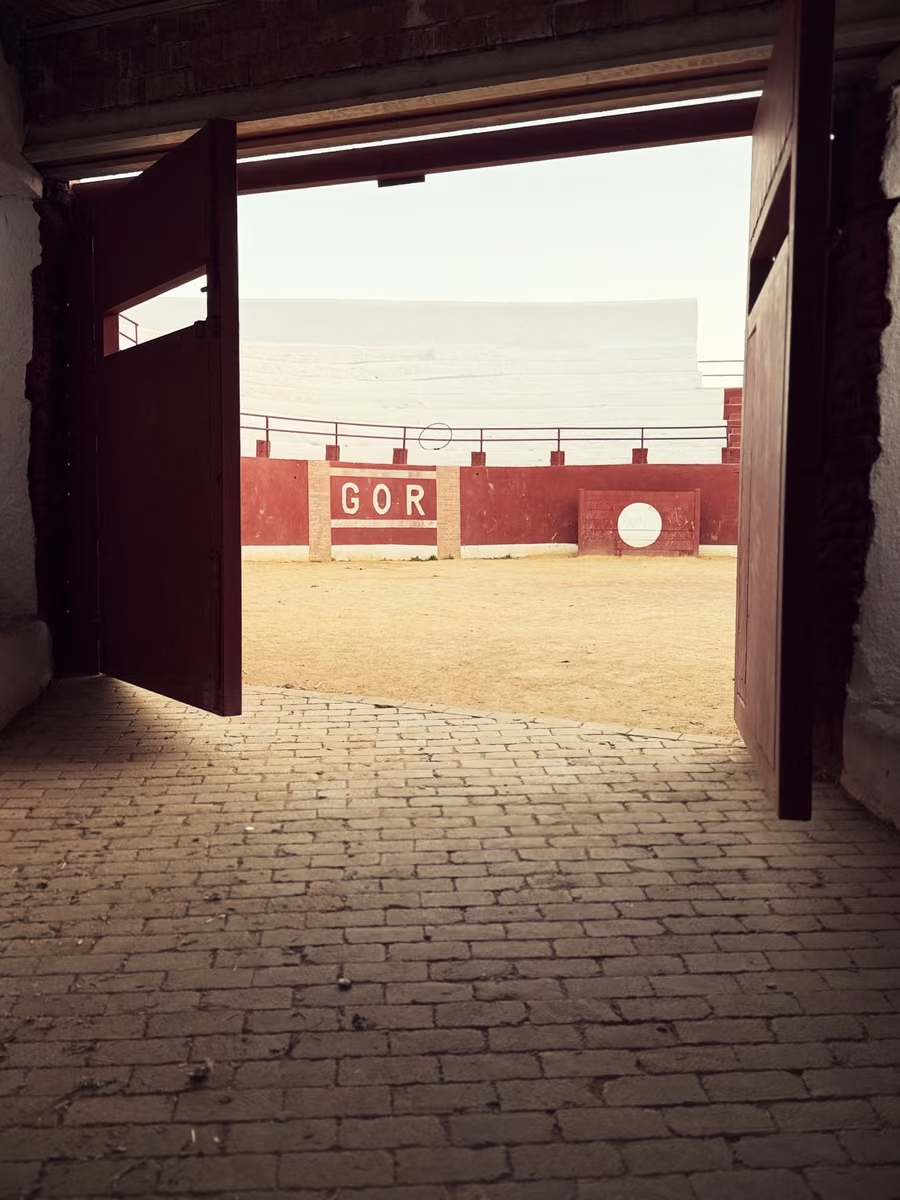
In the morning I restocked at the supermarket, which was staying open around the clock for the race. I also found a backyard where the locals had put out a garden hose for us. I rinsed myself and the bike. At that point it felt like five stars.
Gor to Lucainena de las Torres
31 August–1 September · ~171 km recorded · ~2,800 m gain
I left Gor still hoping to reach Agua Amarga and the sea that night. First I had to get over Calar Alto, on the longest stretch without services on the route.
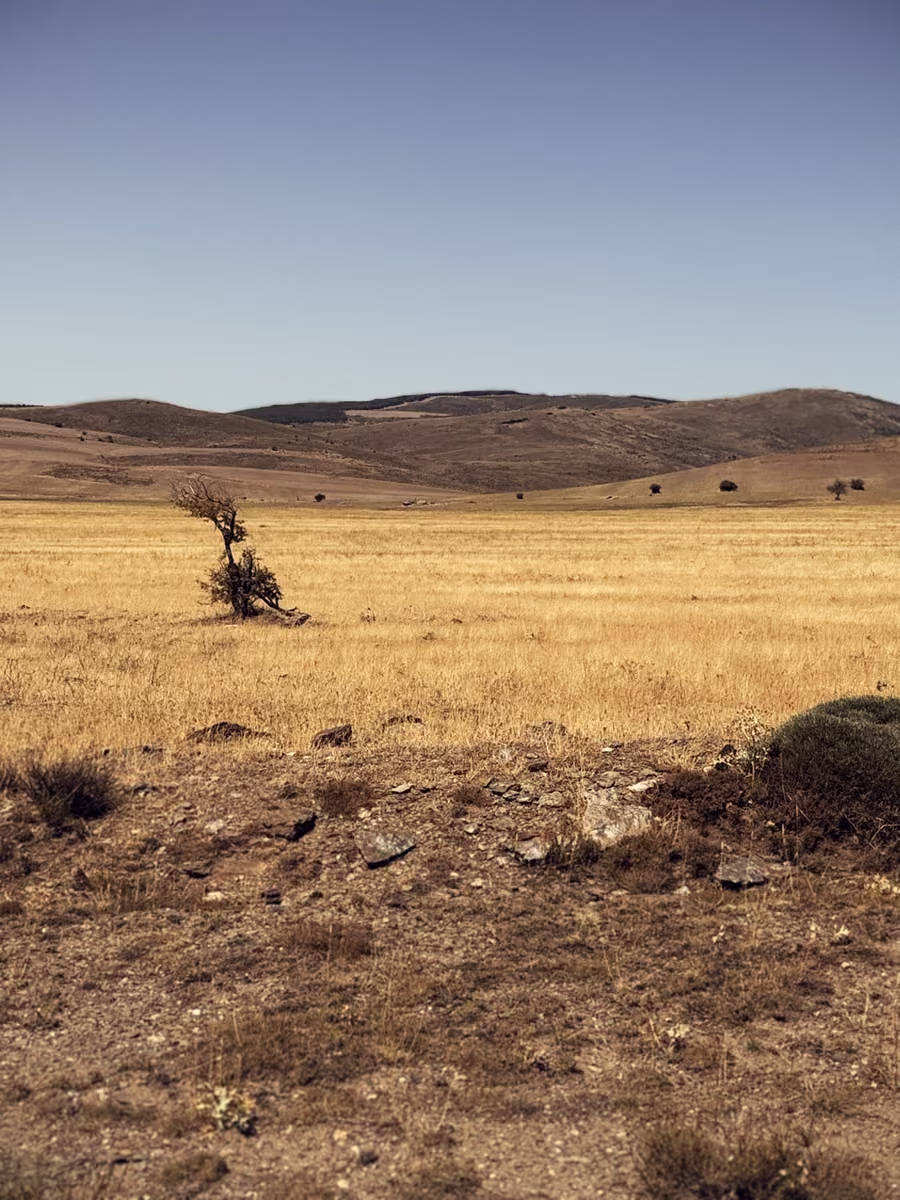
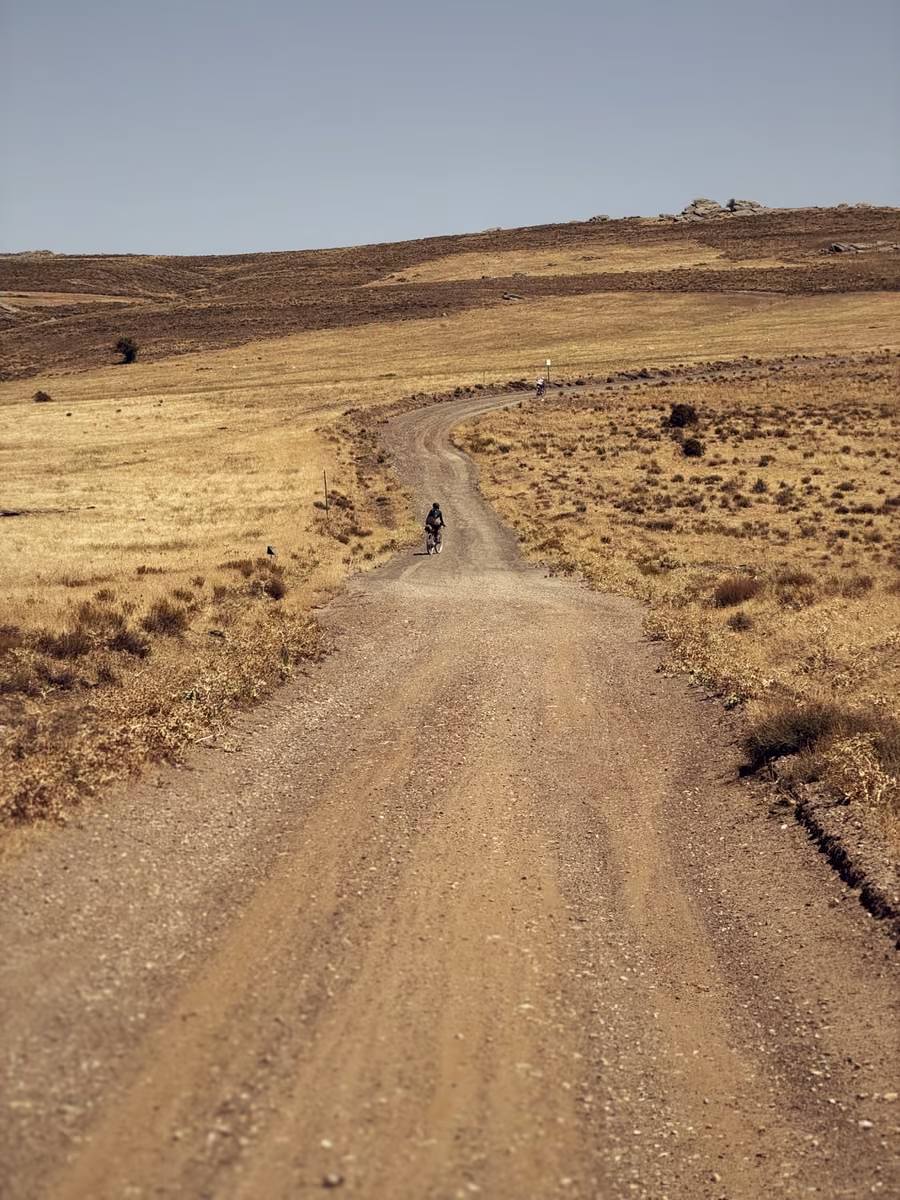
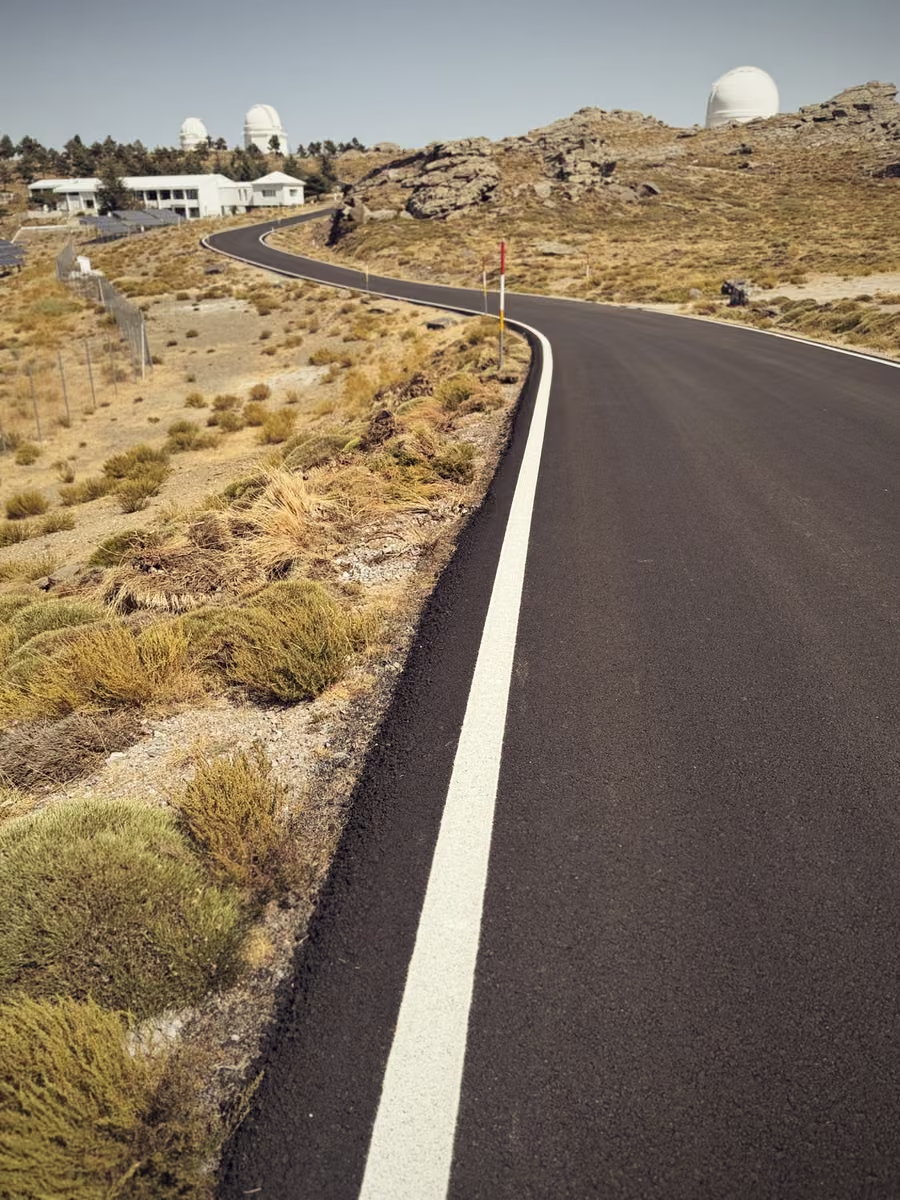
On the climb to Calar Alto I kept moving from shade to shade. Whenever a tree or a rock offered somewhere to get out of the sun, I stopped for a short break before riding on.
At one point I almost cried. I’m still not sure exactly why. I was listening to music, and maybe that had something to do with it.
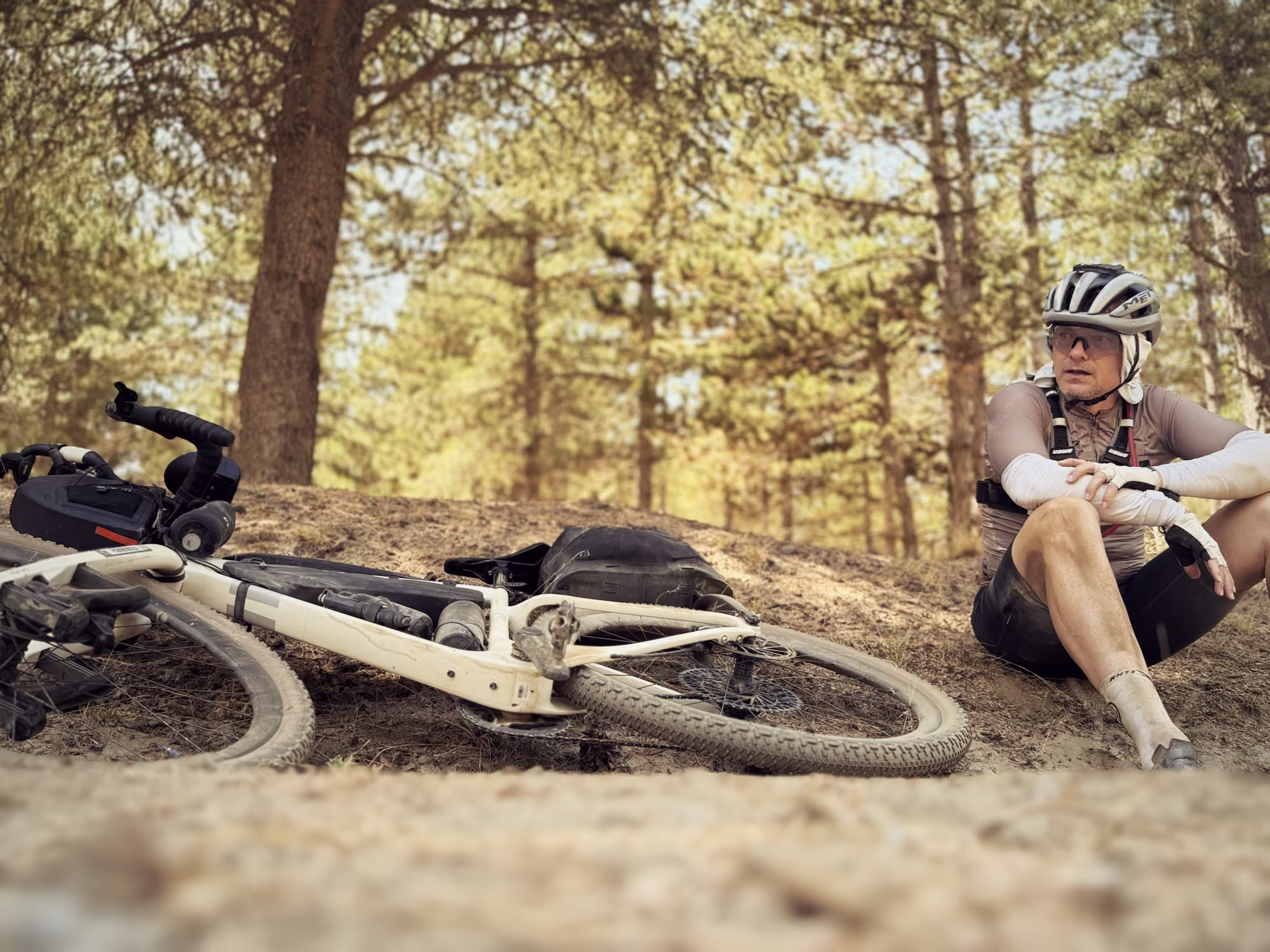
Eventually I reached the observatory domes. From there I followed the long descent toward Velefique.
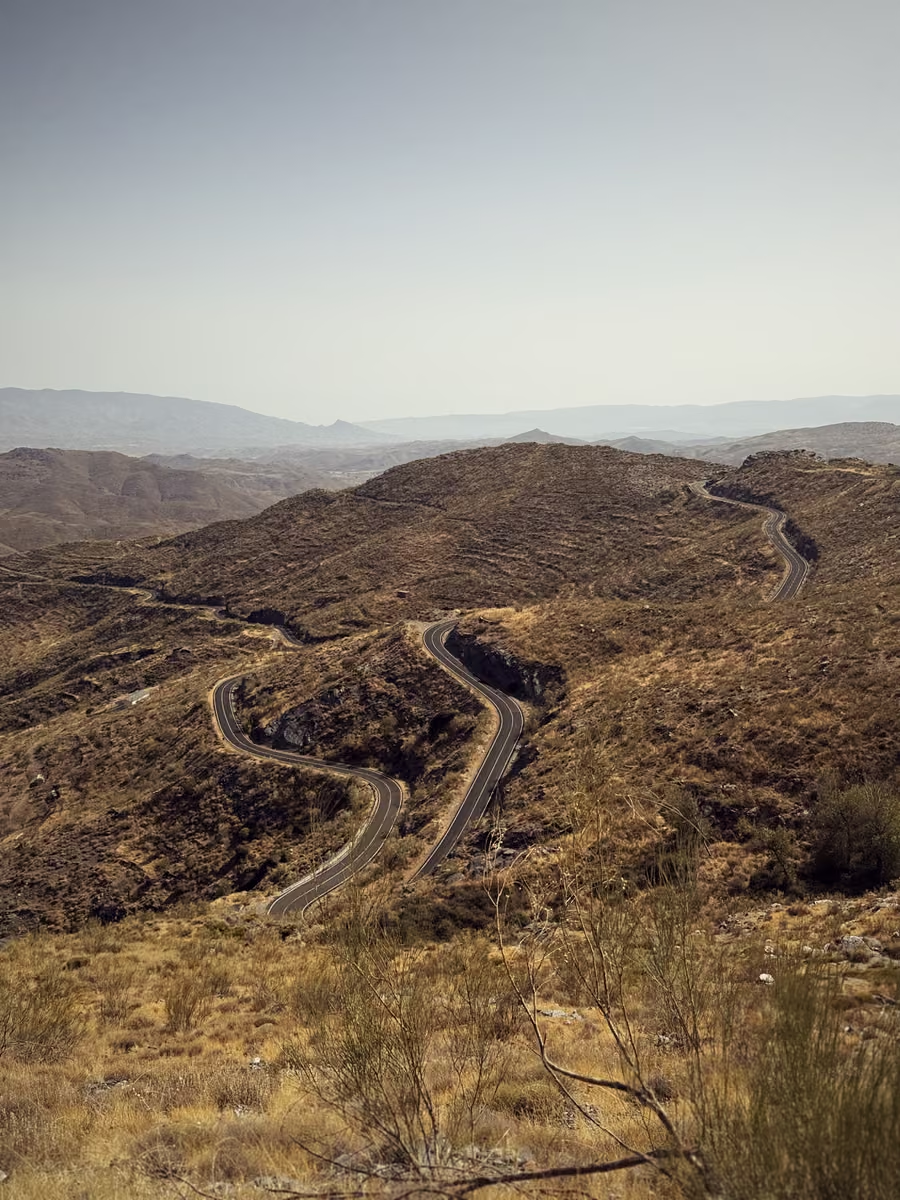
At Restaurante Alto de Velefique, the first restaurant after the descent, I asked for two bocadillos with just ham and a little olive oil, plus water, Cokes and an Aquarius.
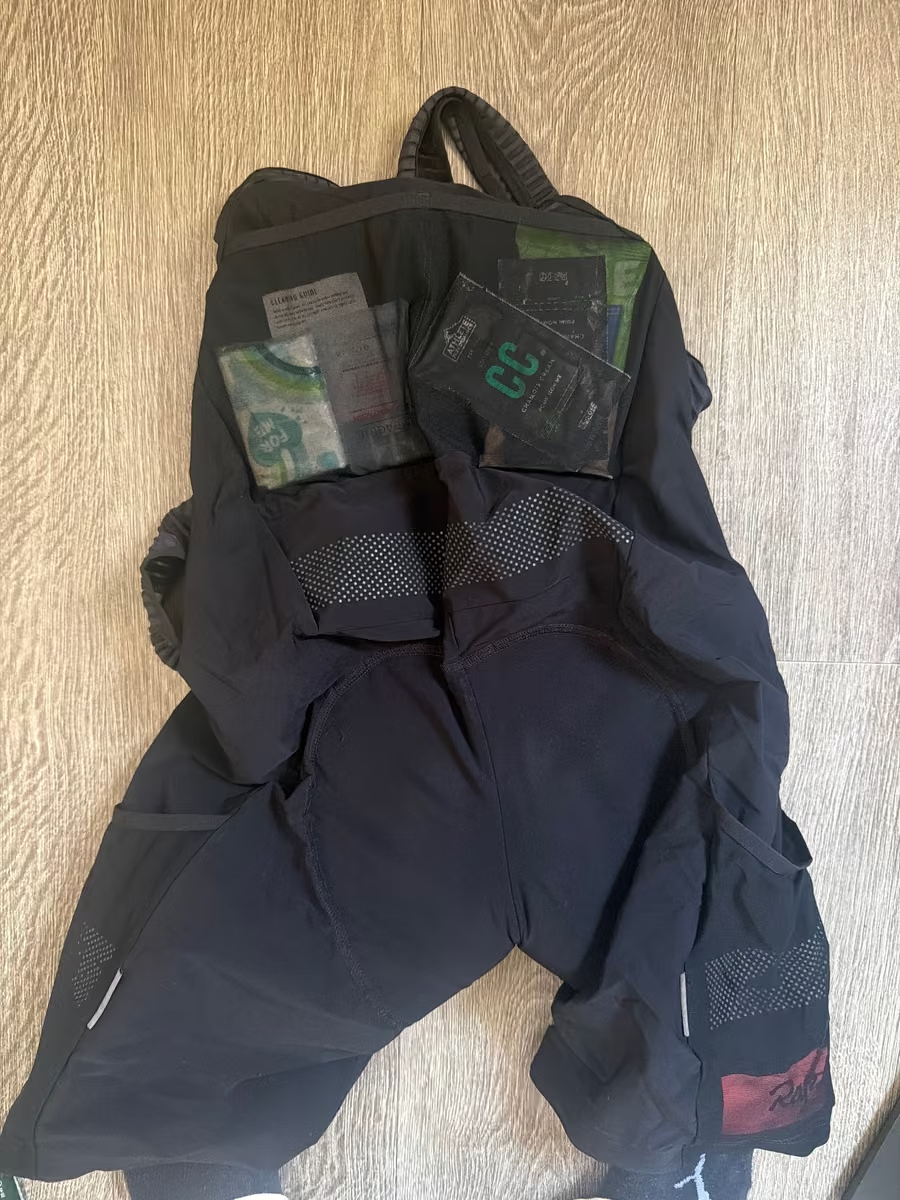
A few kilometers after Velefique, two riders overtook me and asked whether I had lost my chamois cream. I hadn’t noticed it falling out of the race pack. They had picked it up, but one of them had lost it again. The other handed me a small packet of chamois cream from his supplies.
The two riders rode on. If I got sore, being without chamois cream could end my race. I wondered which town came next.
About ten minutes later, another rider rolled up beside me. Had I lost a tube of chamois cream?
He had it.
I was so glad to have it back. I rode faster, caught up with the two riders and returned the small packet one of them had given me.
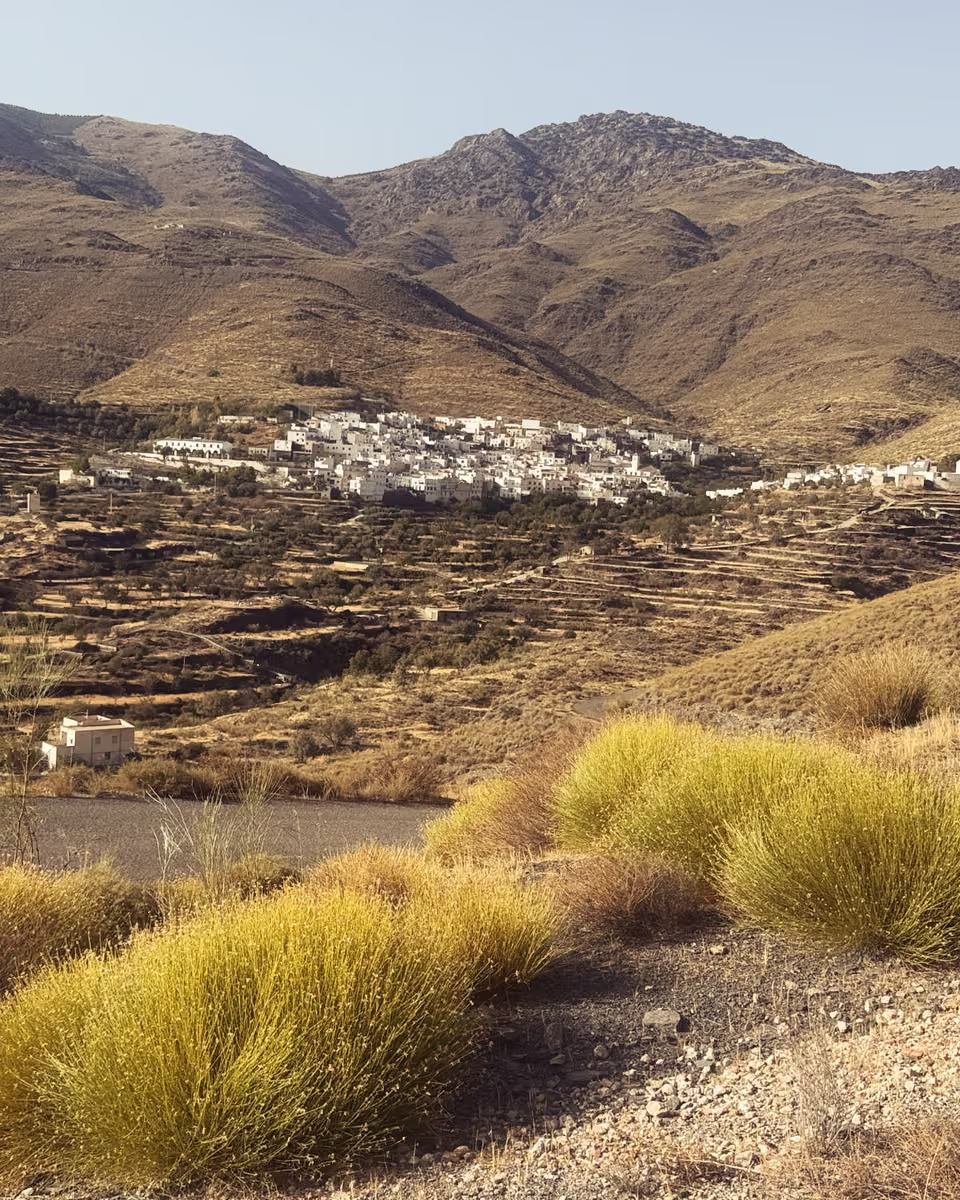
Riders were settling in for the night at Hostal El Puente in Tabernas when I stopped for a meal. Some had rooms booked. I had a quick look for a bed and couldn’t find one, but I’m not sure I really wanted one. I had planned to spend the first two nights outside anyway.
The hostel and bar were crowded, and I think I wanted a bit of time on my own. I also wanted to keep moving and stay a little closer to the plan. Agua Amarga was out of reach that night. Lucainena de las Torres was 29 kilometers away. I thought I could get that far.
I left just after eleven and put on a podcast to keep me from getting too scared out there alone. Early in the desert stretch, the GPS seemed slightly off. Two or three times I had to search for the route, checking the backup navigation on my phone as well.
For a moment I thought leaving had been a bad idea. I was probably a bit tired too.
Toward the end I started to hallucinate a little, but it wasn’t frightening. I still felt alert.
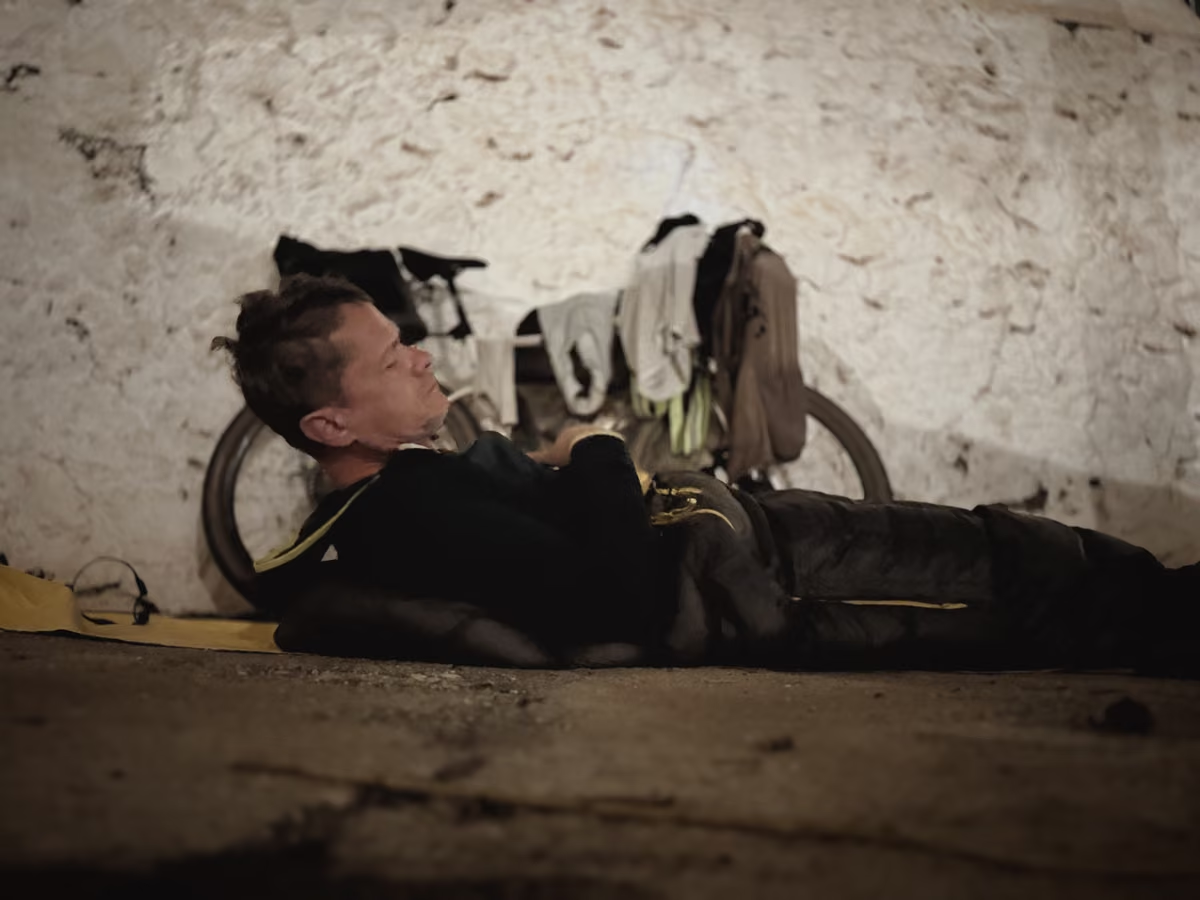
Nobody answered at the hotel in Lucainena when I arrived at half past two, so I lay down in a small park in the village. The valve on my mat was broken, so I slept on the ground with the sleeping bag and pillow.
Lucainena to Almería
1 September · ~157 km recorded · ~1,800 m gain
I had slept better than expected despite the flat mat. I ate one of the bars I’d brought for breakfast and left Lucainena at six. Ahead was a long, straight gravel path, flat or perhaps slightly downhill. I settled onto the aerobars and pedaled through the dark. The gravel rolled well. It felt good to be covering ground so quickly.
Just before nine, I could smell the sea and see a gray strip of it between two hills.
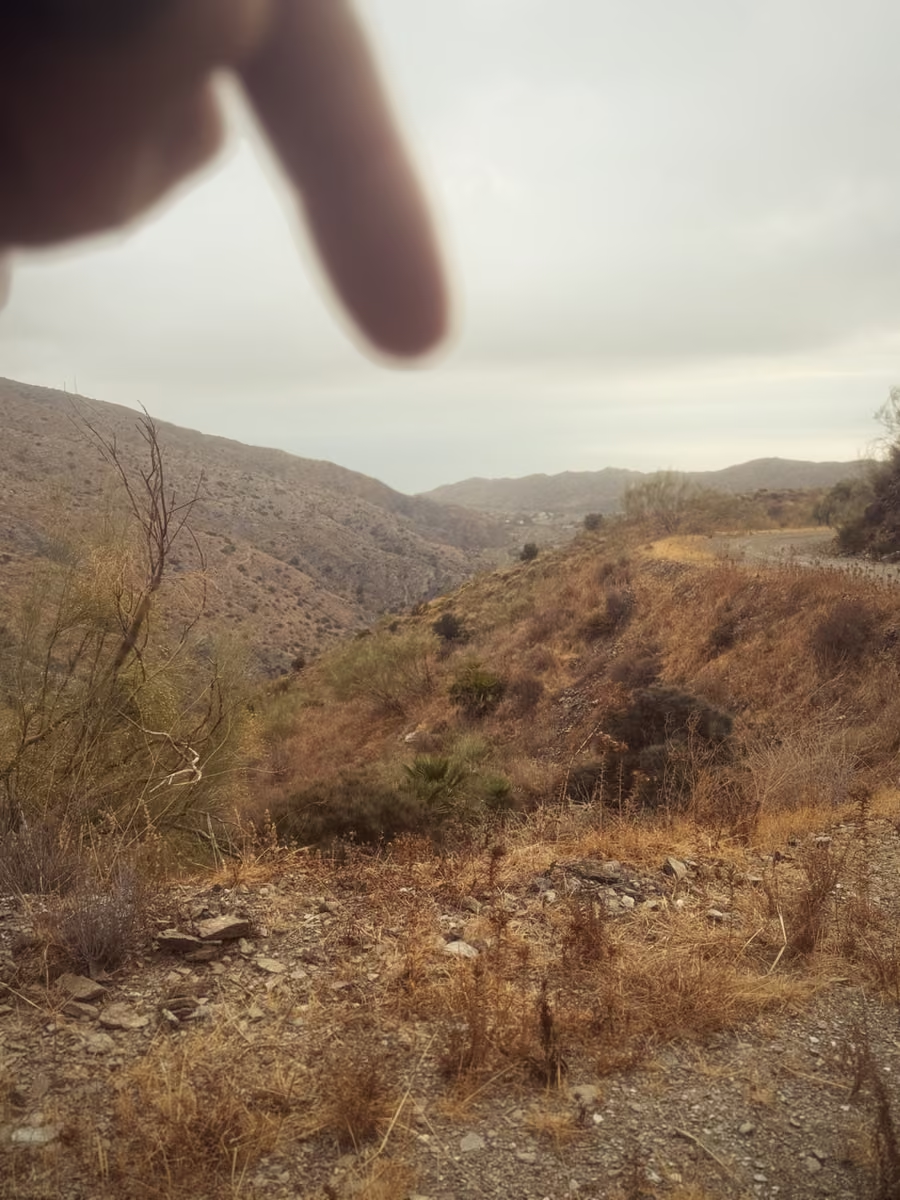
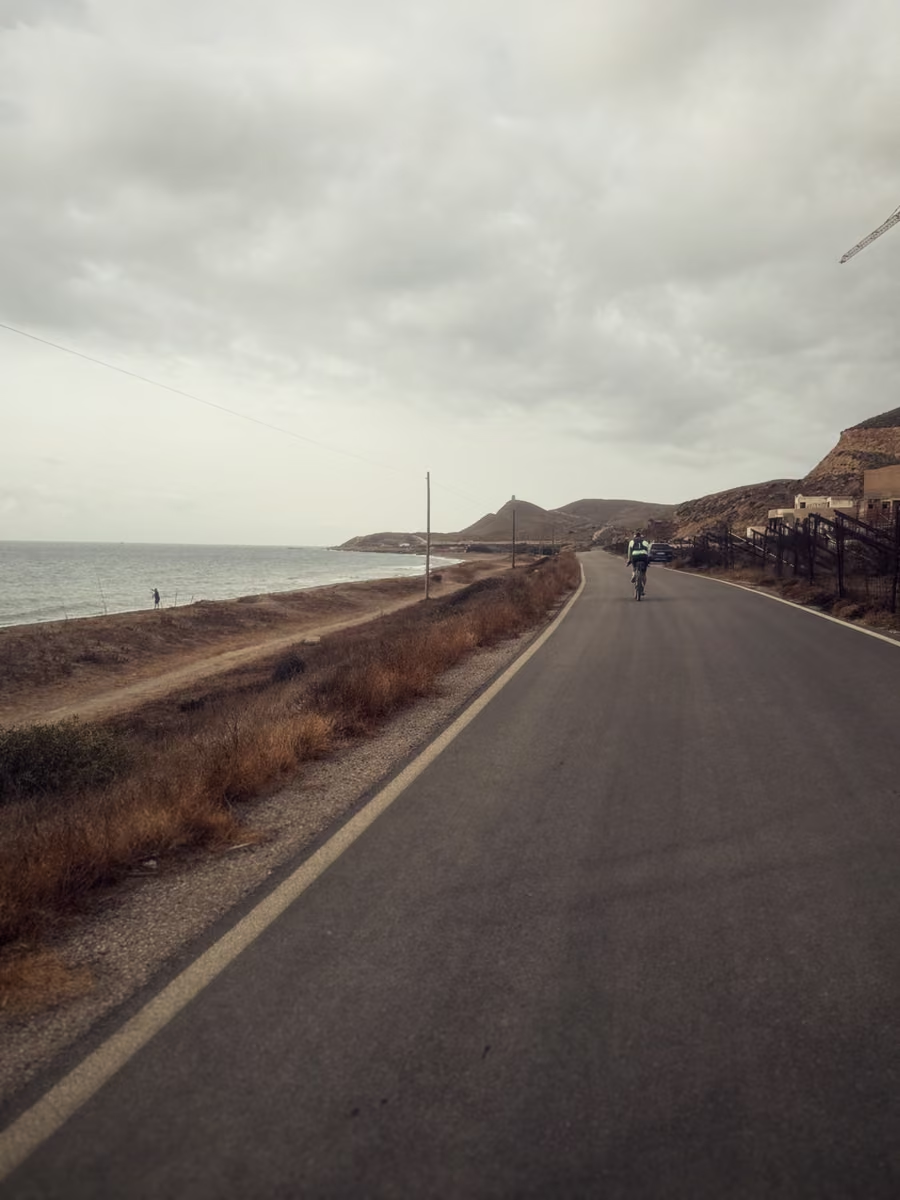
I rode through Agua Amarga late that morning. I had meant to wake up there, but after the second night I’d stopped following the original timetable. Almería was still a target.
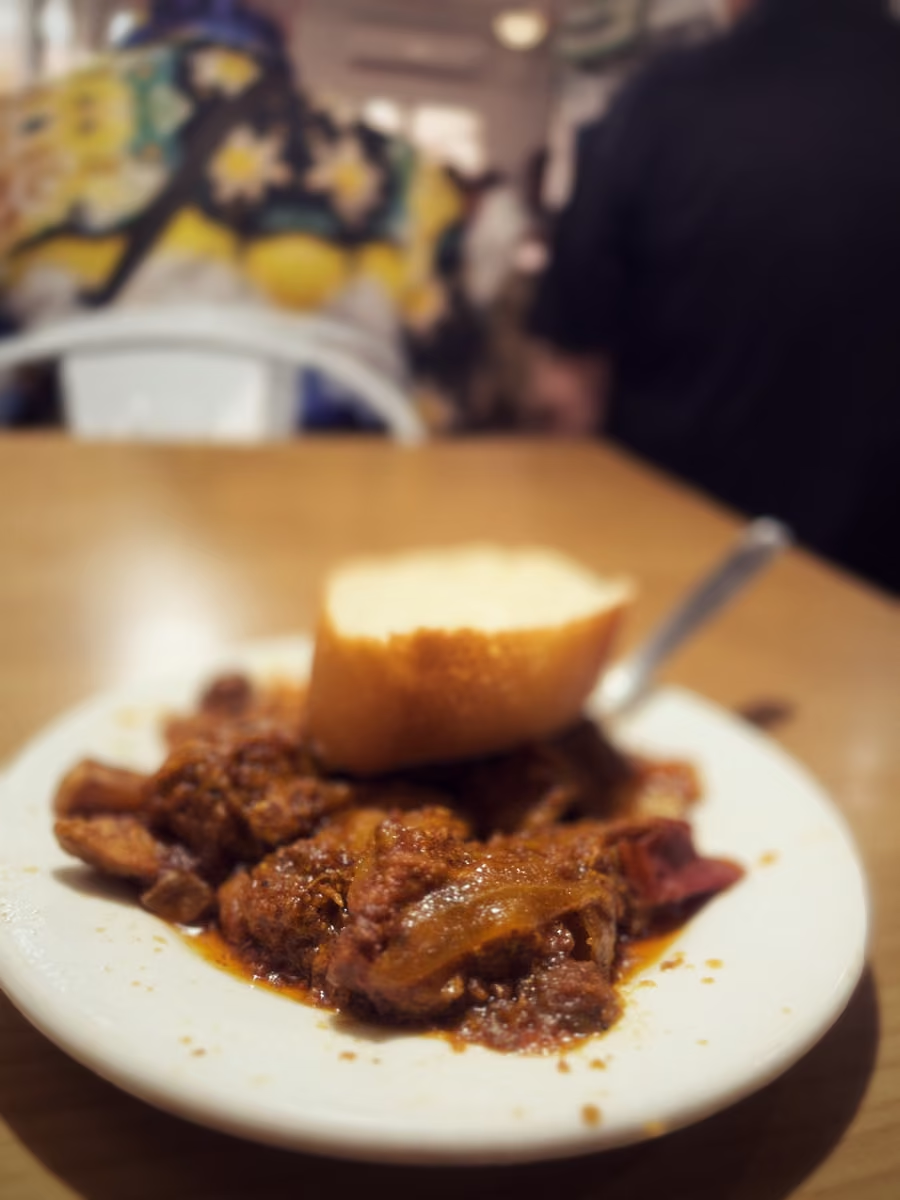
In Pozo de los Frailes I ordered what the man at the next table was eating. It was a slightly spicy tapa, somewhere near goulash.
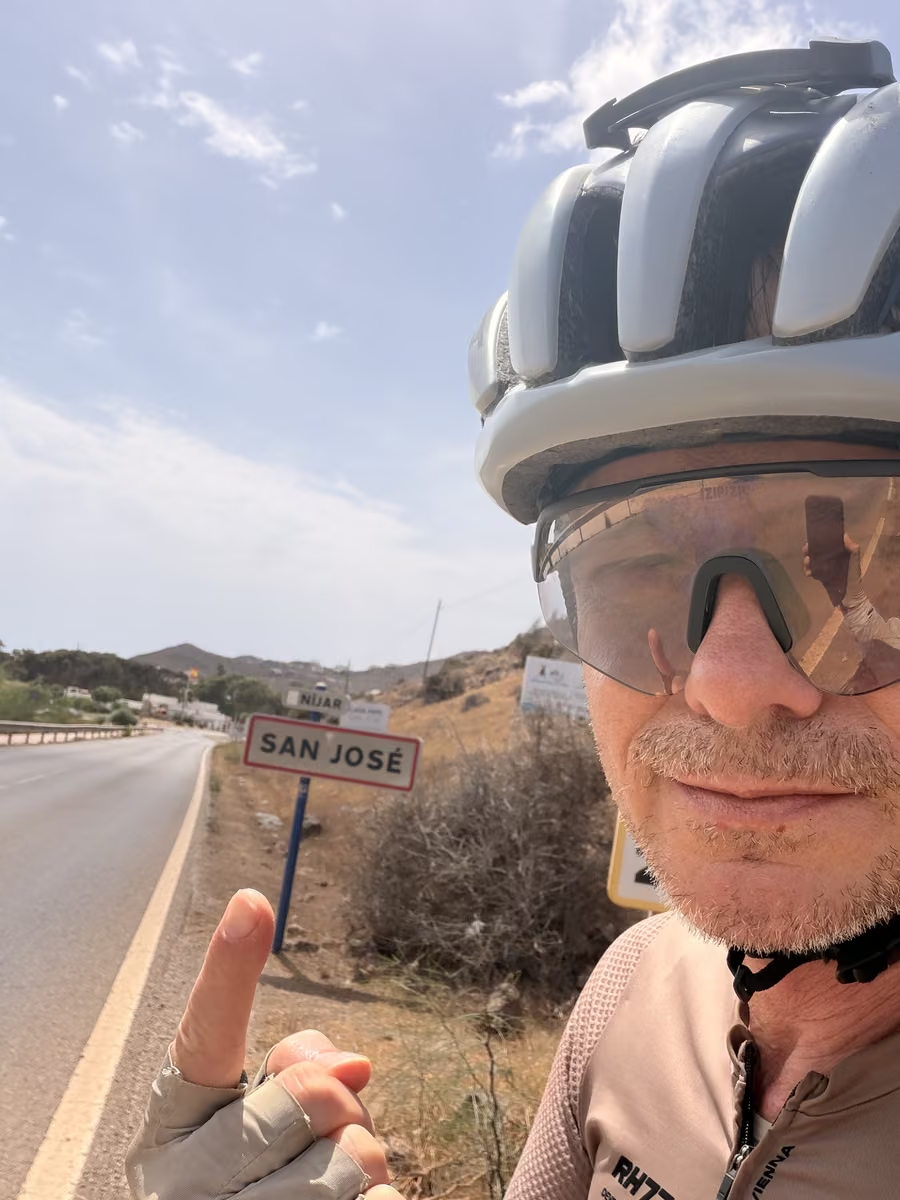
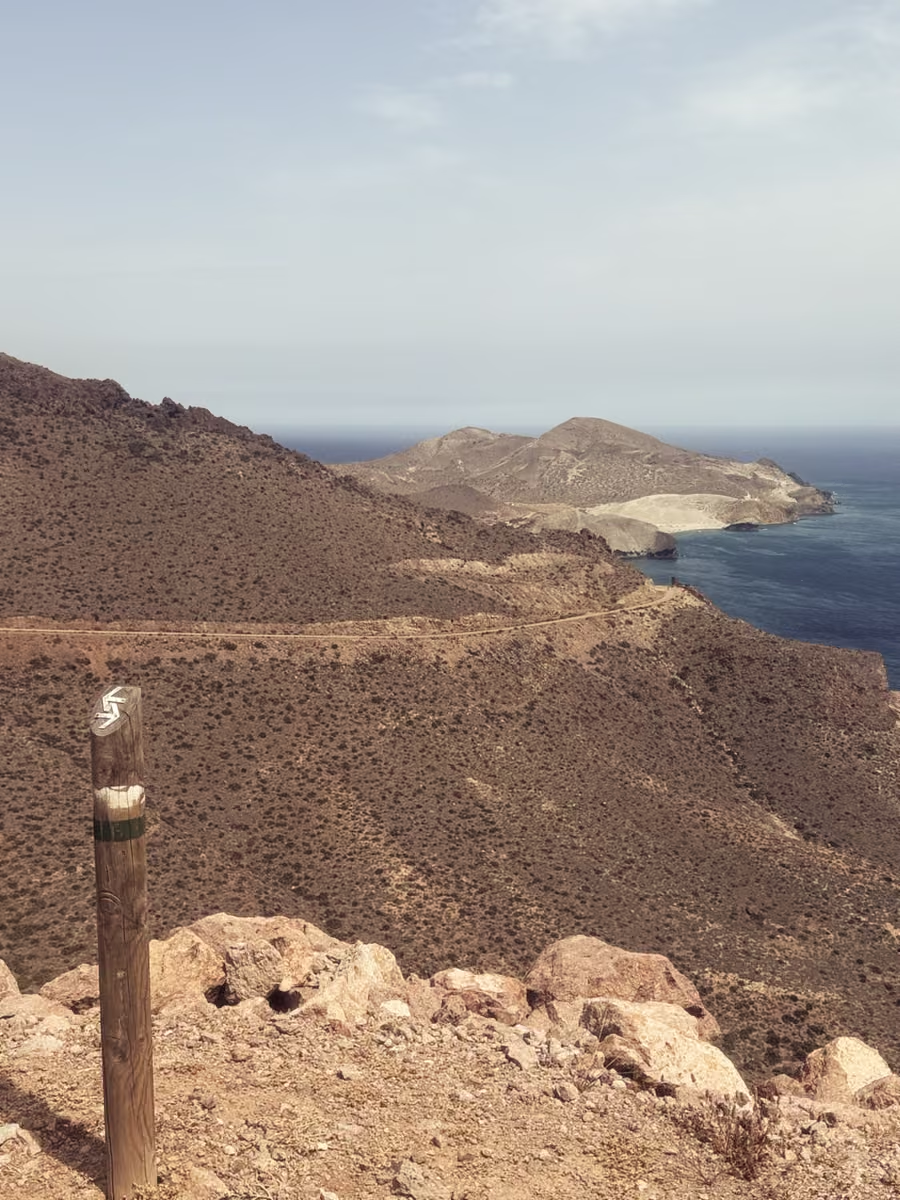
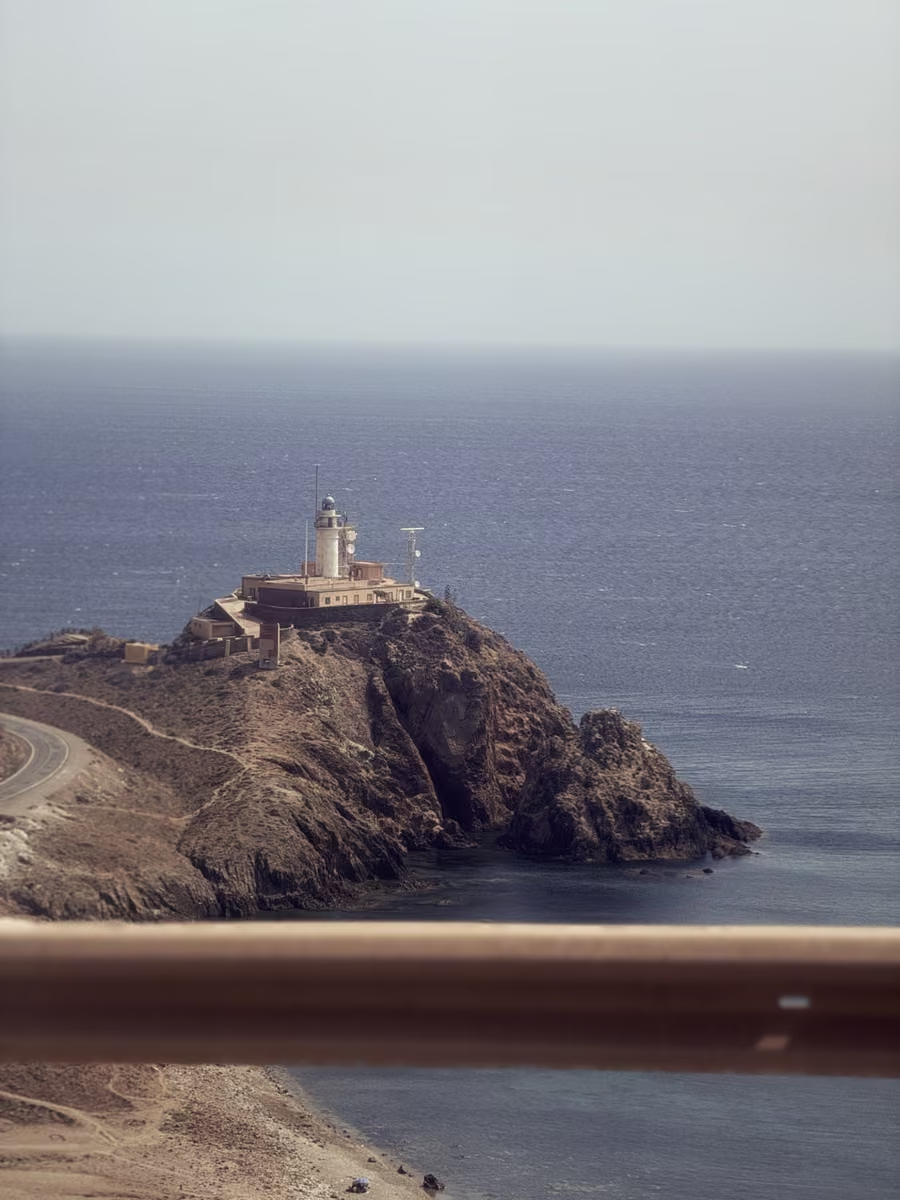
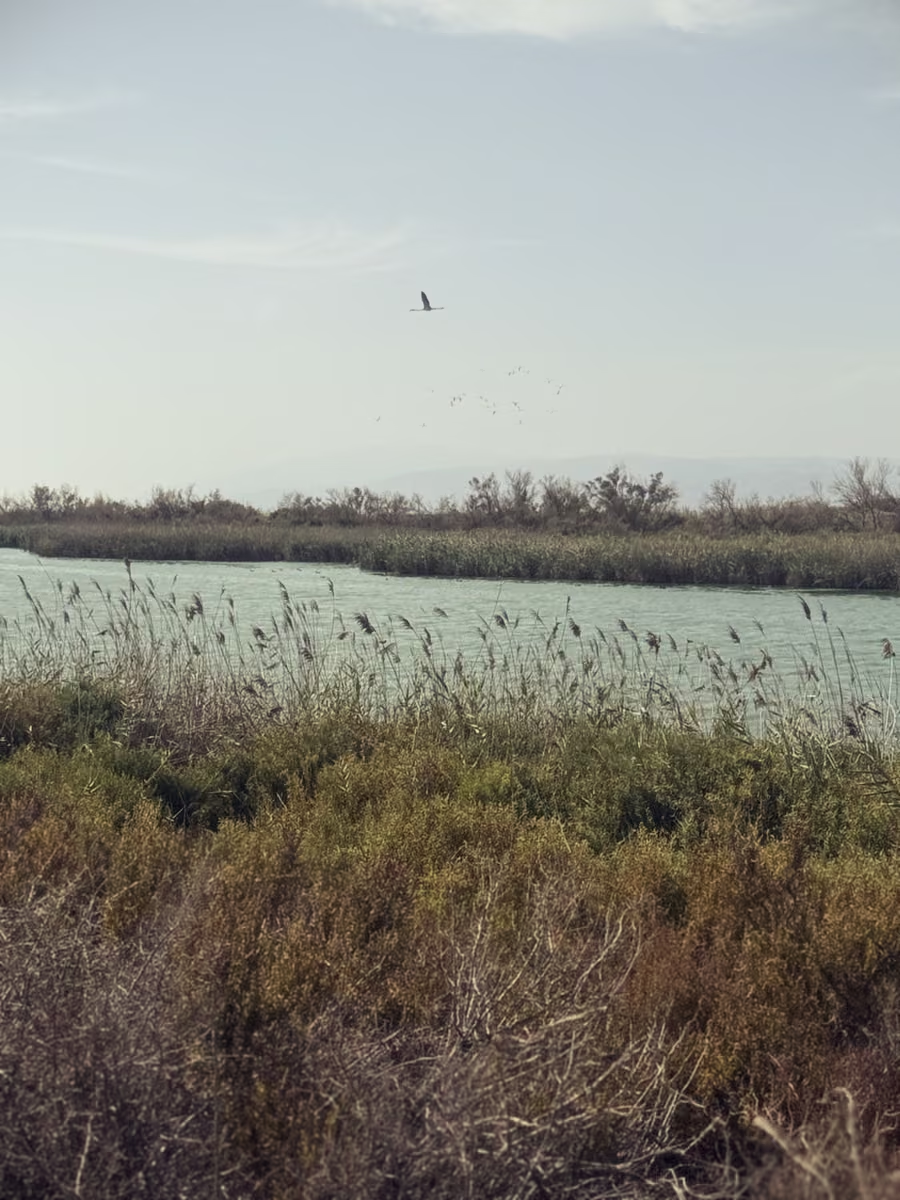
After the lighthouse I passed the salt flats and watched flamingos flying away over the lagoon. A man from the media crew told me this was the first time in seven years he’d seen them here.
Then the route led onto a sandy track beside a fence, and I got off to walk.
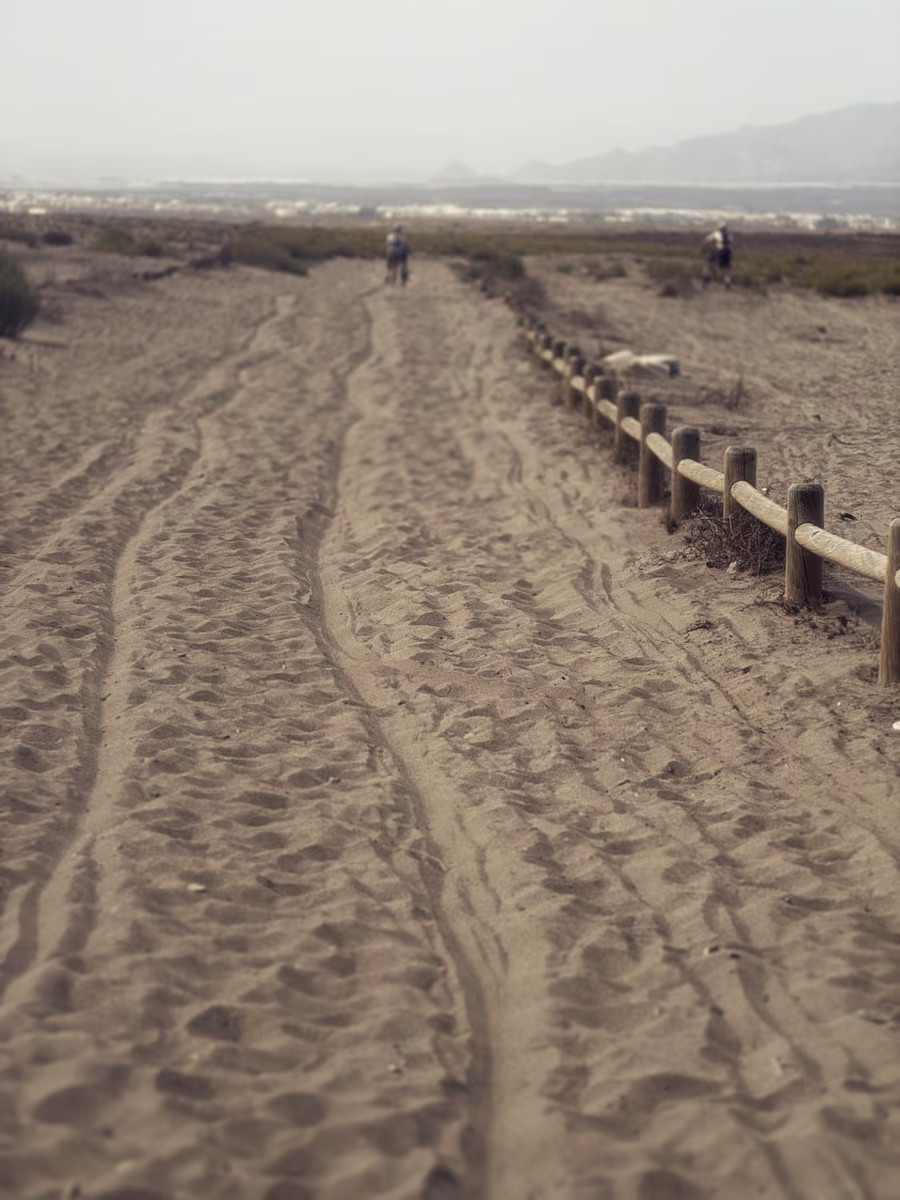
Once I was through, I thought I had reached Almería. I took a shower at the beach, cleaned my shoes and socks and put fresh blister bandages on my feet.
I wasn’t in Almería.
Only when I set off again did I realize there were two more stretches of sand. I walked parts of both, and my shoes filled up again. I had just cleaned them. I was frustrated with myself.
Alboloduy was still another 90 kilometers away when I reached Almería at around seven. I wanted to keep going, but after the sand I also wanted a shower, fresh bib shorts and some good sleep. Both power banks, the front and rear lights and the Insta360 needed charging too.
I took a hotel room. After Calar Alto, climbing out of the city at night seemed a better idea than doing it in the sun. I slept for about two and a half hours and left shortly after midnight.
Almería to Charches
2–3 September · ~155 km recorded · ~4,000 m gain · including the Enix rest
It was still hot at midnight. Within the first few kilometers, the fresh bib shorts I’d put on at the hotel were soaked with sweat again. These were the climbs that had made me nervous when I read the route preview in August: about 3,000 meters of climbing in the next 100 kilometers, with another pass still to come.
Beyond Almería I knew the route less well. I kept an eye on the climbs. Having six or seven hundred kilometers behind me would not mean that I was nearly done.
Climbing out of the city took the rest of the night. I had underestimated how mentally demanding the night riding would be.
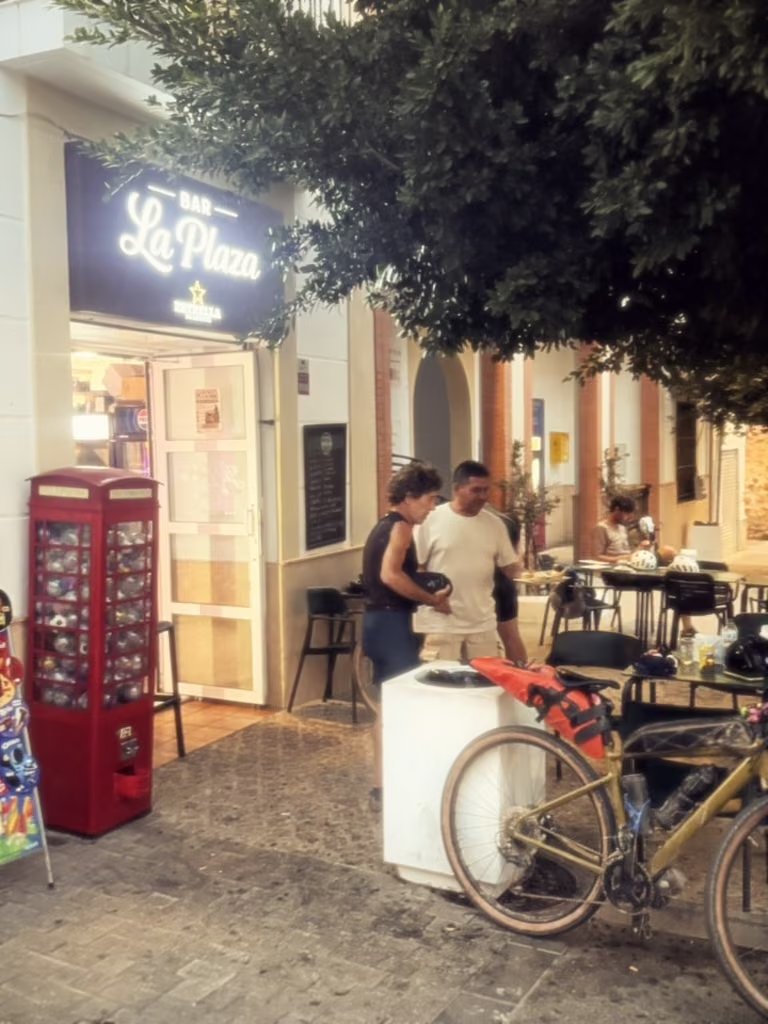
Just before five I stopped in Enix and lay down outside Bar La Plaza. I slept another hour and a half on the ground.
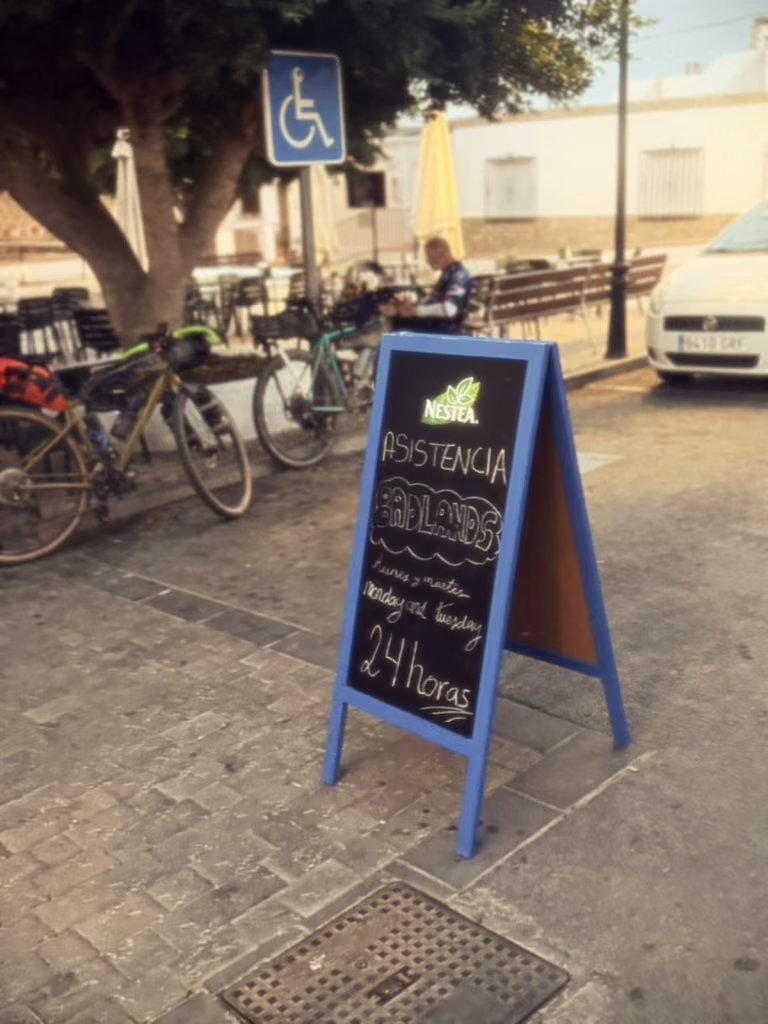
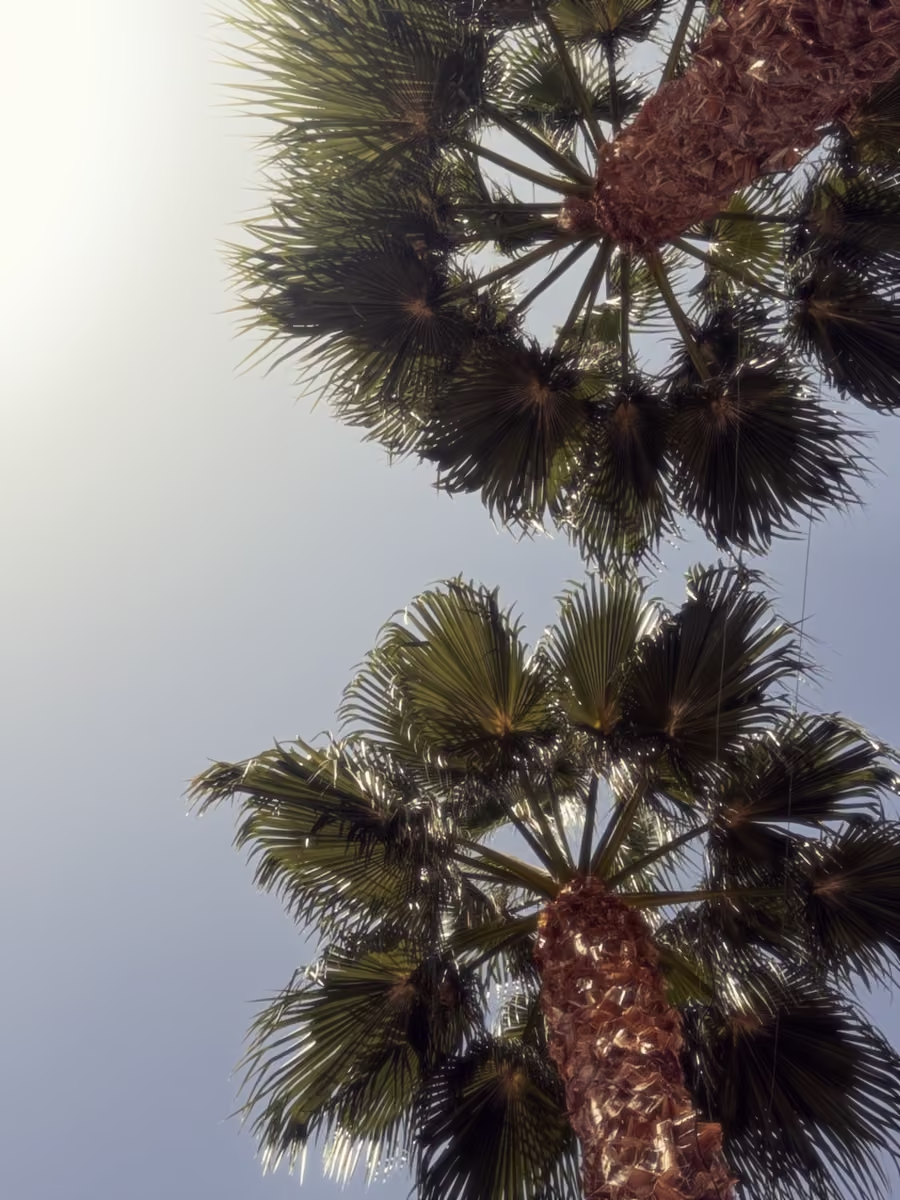
In Íllar I had good pasta after stopping at a pharmacy for blister bandages for my heels. It was so hot after lunch that I lay down under the palms by the fountain for a short nap.
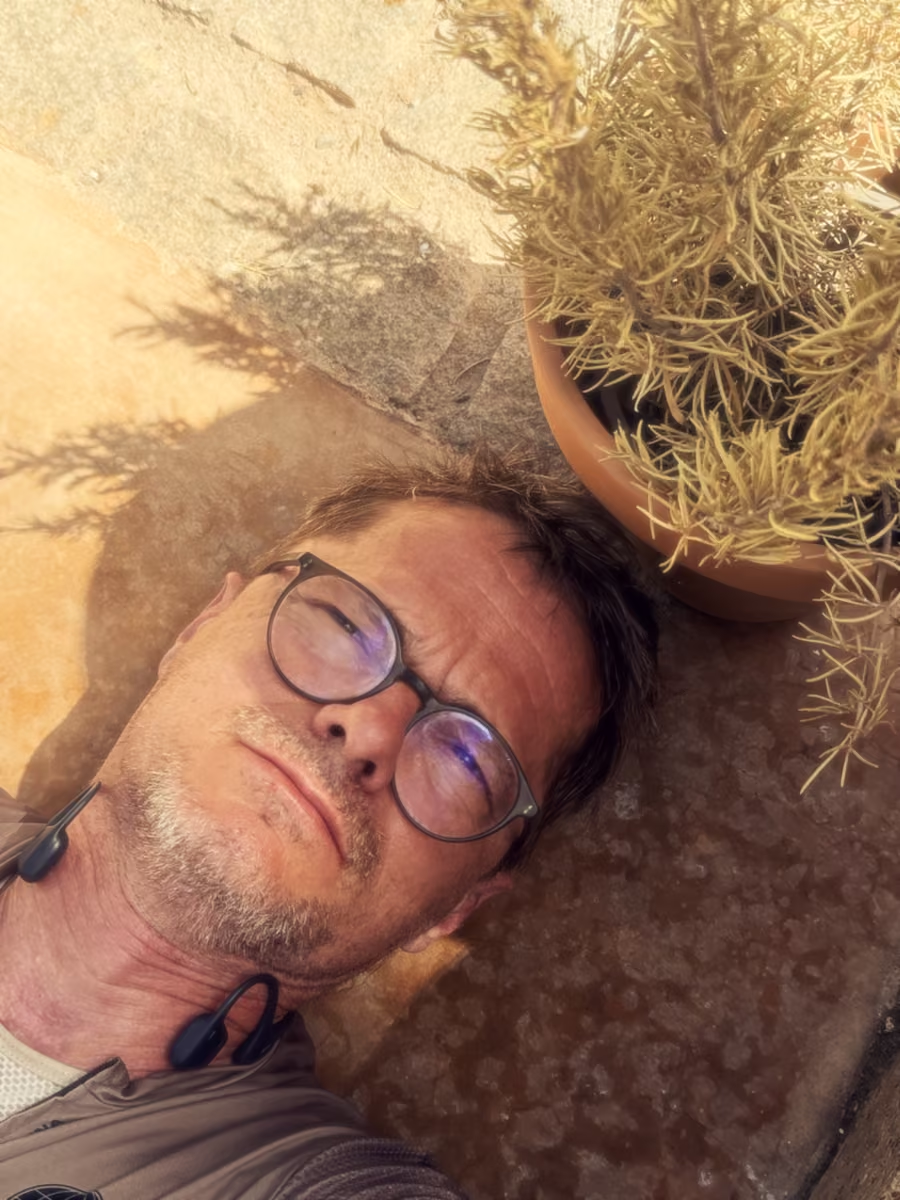
At half past two I was at Aca La Mari in Alboloduy. The woman behind the bar filled my hydration bladder and one bottle with ice cubes.
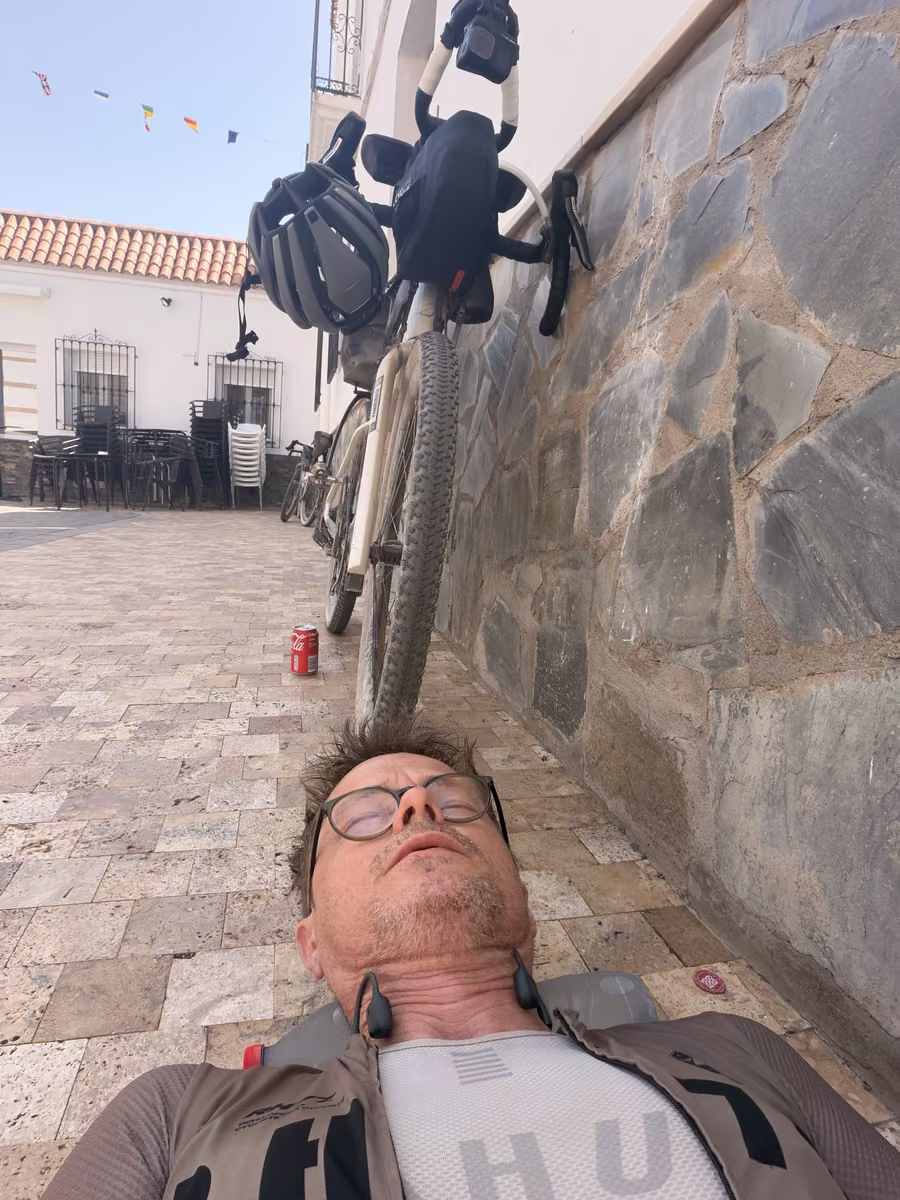
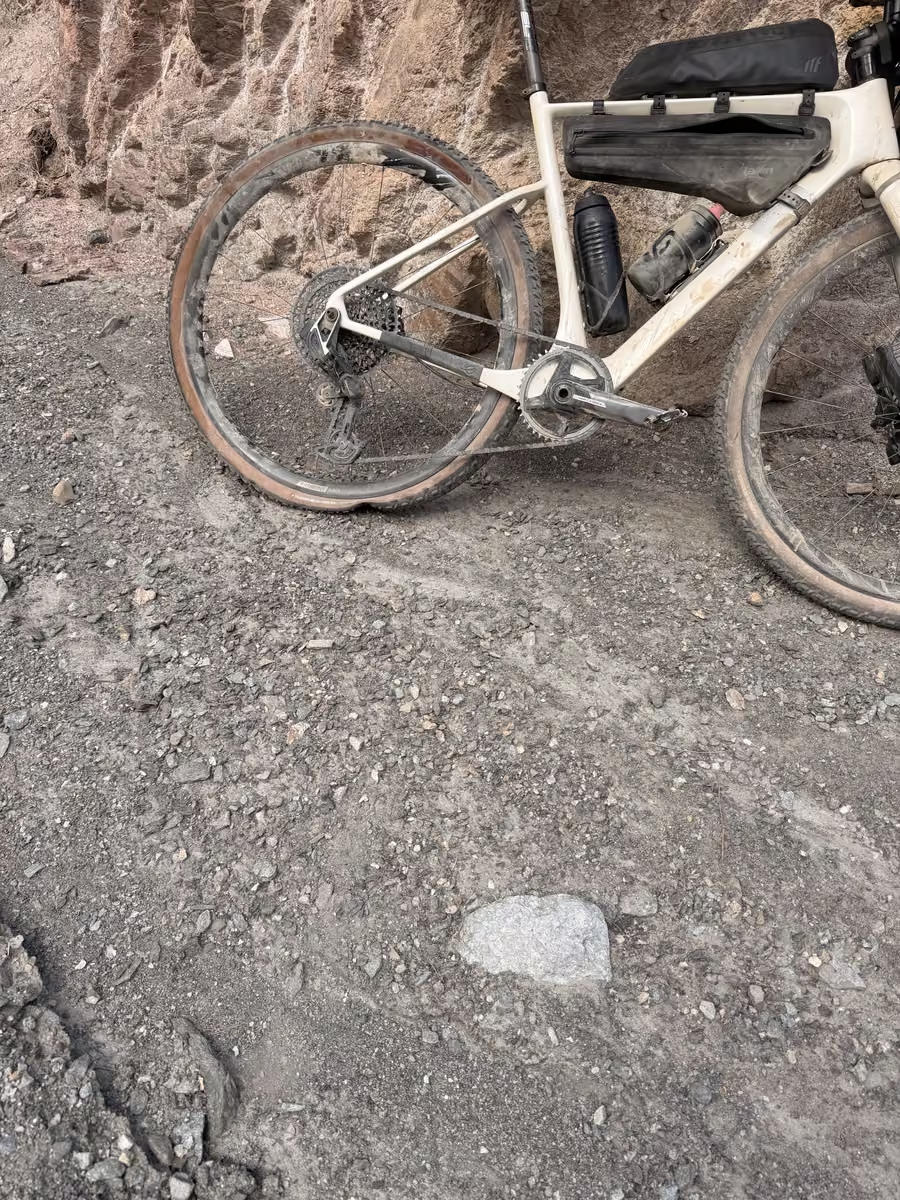
The first flat came on the climb out. I fixed it in the sun, very glad of the ice I’d taken from the bar.
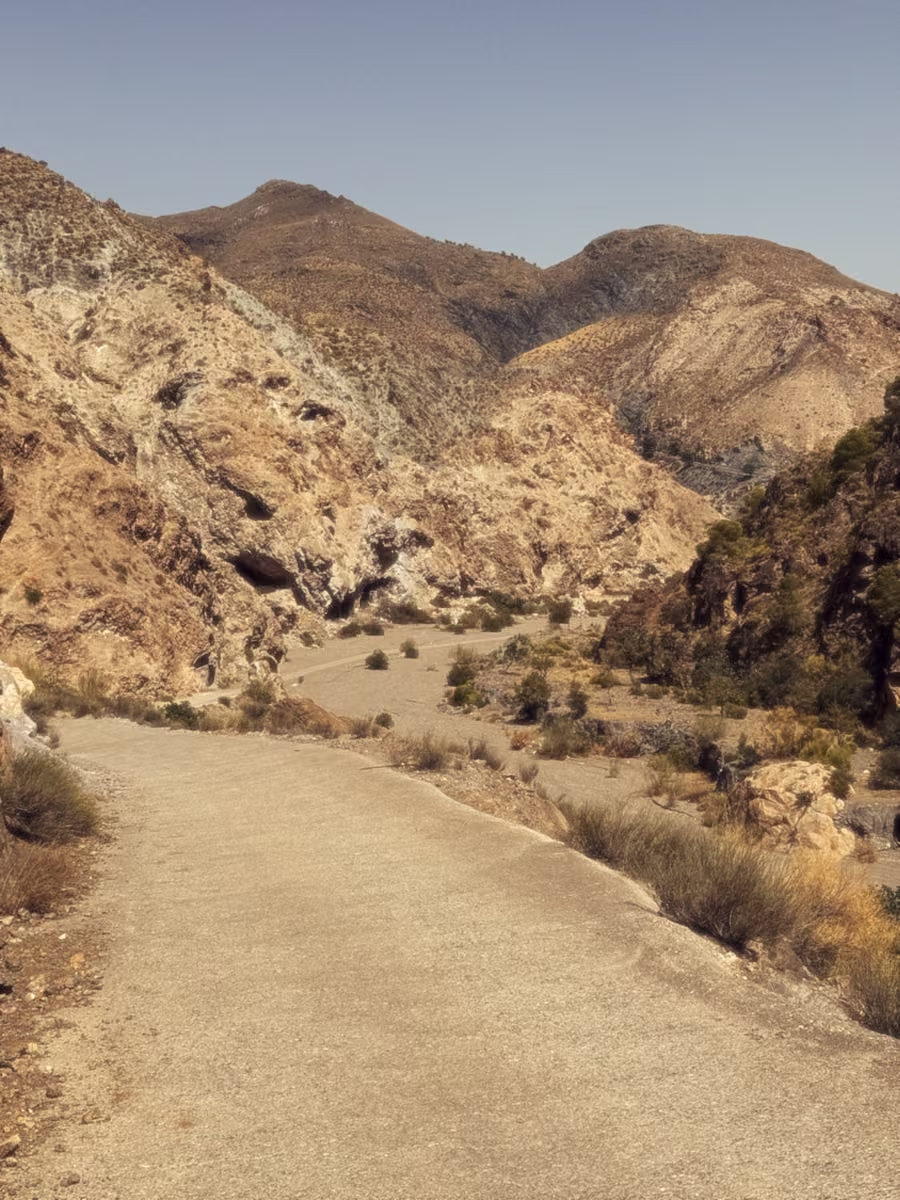
The climb went on for another two hours, over broken concrete and then dirt, with the valley opening up behind me.
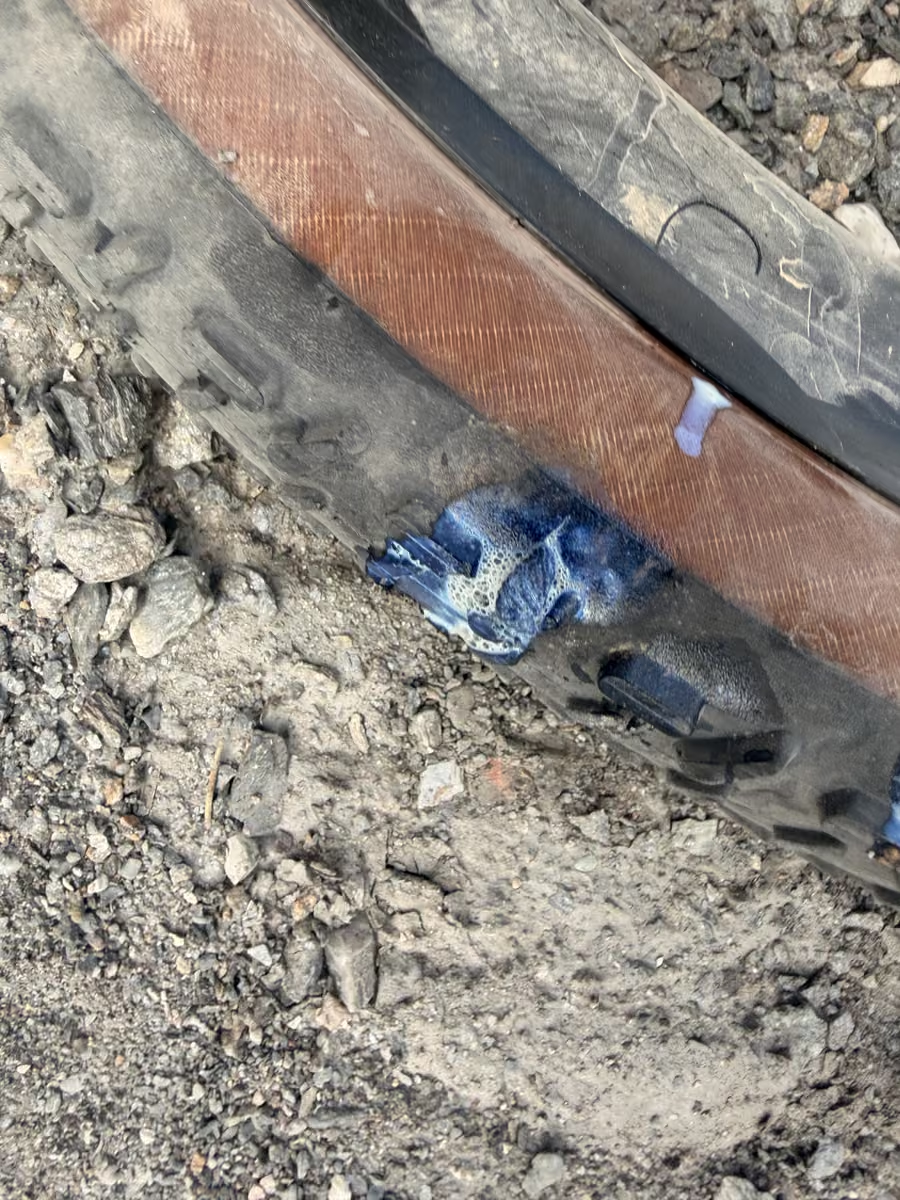
After dark, near Huéneja, the tire went flat again. The plugs would not hold, so I put in a tube, working by headlamp. An hour later it was losing air again.
I had left a Dynaplug inside the tire, metal tip and all.
In Charches I found what I’d been hoping for: a fountain, with a streetlight to work under. At half past one in the morning I emptied the front water bladder to make the bike easier to handle and cleaned the wheel. This time I removed the whole plug before fitting another tube.
I also put the tire on in the correct rolling direction. I hadn’t managed that by headlamp, though I don’t think the direction mattered much.
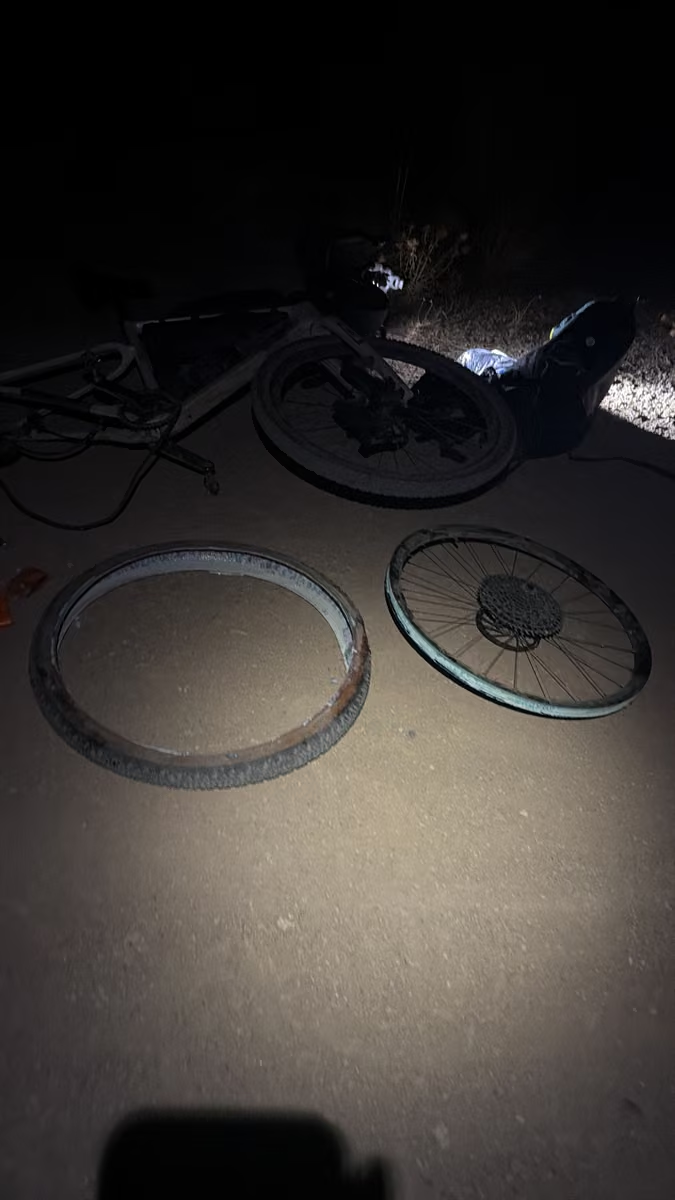
Granada was a hundred kilometers away. There was still Peña Bermeja to cross, and a last steep climb outside the city that I expected to push most of. A proper night in Charches would have put those climbs into the heat of Thursday afternoon.
I lay down on a bench in the sleeping bag and set the alarm for 2:45. I wasn’t sure I could sleep like that, but I slept for about forty minutes.
| Night | Planned | What happened |
|---|---|---|
| First | Gor | Gor |
| Second | Agua Amarga | Lucainena |
| Third | Alboloduy | Almería, then Enix |
| Fourth | Already finished | CharchesBench nap |
Charches to Granada
3 September · ~102 km recorded · ~1,600 m gain · after the bench nap
I was back on the bike just before three. In one village that morning the bakery was still closed, but I could refill my water. It tasted of chlorine, and although I drank some and took more with me, I wasn’t sure about it. I poured half the bottle away later.
With Peña Bermeja behind me and about thirty kilometers left, the front brake started rubbing and squealing. It sounded like an old windmill out of Don Quixote. I didn’t know how to fix it there. I thought, fuck it, only thirty kilometers left. A little steady pressure on the lever stopped the noise. That was annoying too, but it worked.
Around Quéntar, I seemed to have reached one of the local training routes. There were groups of cyclists out, some of them cheering me on when they recognized a Badlands rider. At the fountain I asked a local cyclist about the water. “Agua potable?” He said yes.
I drank and took a break in the shade. I felt dizzy and needed the sugar, but I still had to make myself take a bite of a chew bar.
After another descent, the road turned uphill again on steep, grooved concrete ramps. I’d known there would be a last climb. I hadn’t known it would be this tough.
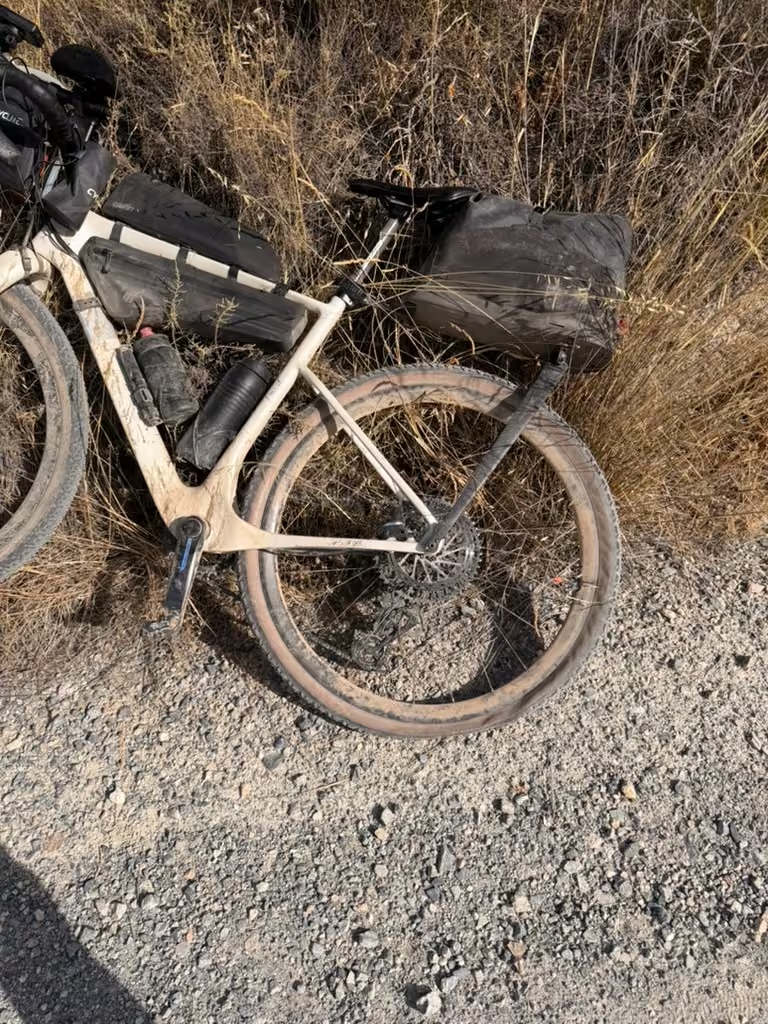
With about eight kilometers left, I stood beside the bike and worked out how long another repair would take. Walking would take about the same time.
I started pushing. On the downhill stretches I sometimes rolled slowly on the rim. I had pushed plenty of climbs by then, but I had wanted to ride across the line.
I pushed the bike to the finish in Granada.
After the finish
Outside the bar, riders applauded as I came in. The race organizers, David Rodríguez and Chris Tonge, gave me a warm “well done.” A rider I recognized invited me to join him and his girlfriend.
I sat with them briefly and had an alcohol-free beer in an ice-cold glass. It was delicious. I wasn’t really in the mood to talk, but I was glad to be there and grateful for the welcome and the familiar faces.
Only later, while writing about the ride, did I realize who had invited me to the table. He was the rider who had brought back my tube of chamois cream.
I still had to get back to the hotel, where I’d left my bike bag and luggage before the start. It was about half an hour’s walk away. With the flat tire and the heat, it felt much farther.
On the way I bought a smoothie with little bubbles in it, like bubble tea. I needed something sweet to get me the rest of the way. It tasted so good.
Ride details
My recording came to 814 kilometers, compared with 811 for the planned route. My official time was 99 hours and 55 minutes, for 129th in the solo field. The clock stopped before the final three neutralized kilometers into the city.
There is also a film, five days cut to eighteen minutes.